

Resources & Articles
Stories, research, and reflections from therapists, researchers, advocates, and writers across many communities and parts of the world.
We believe knowledge doesn't come from one country, one profession, or one way of understanding people. Some of our articles are written by our therapists. Others are created in collaboration with writers, community organizers, researchers, and people with lived experience whose work expands how we think about healing, identity, and collective care.
We're especially committed to publishing perspectives that have too often been overlooked in mainstream mental health conversations, including voices from Indigenous communities, Africa, Asia, Latin America, the Caribbean, the Pacific, Southwest Asia and North Africa, and diasporic communities around the world.
Because care has always been shaped by many cultures, languages, and histories.


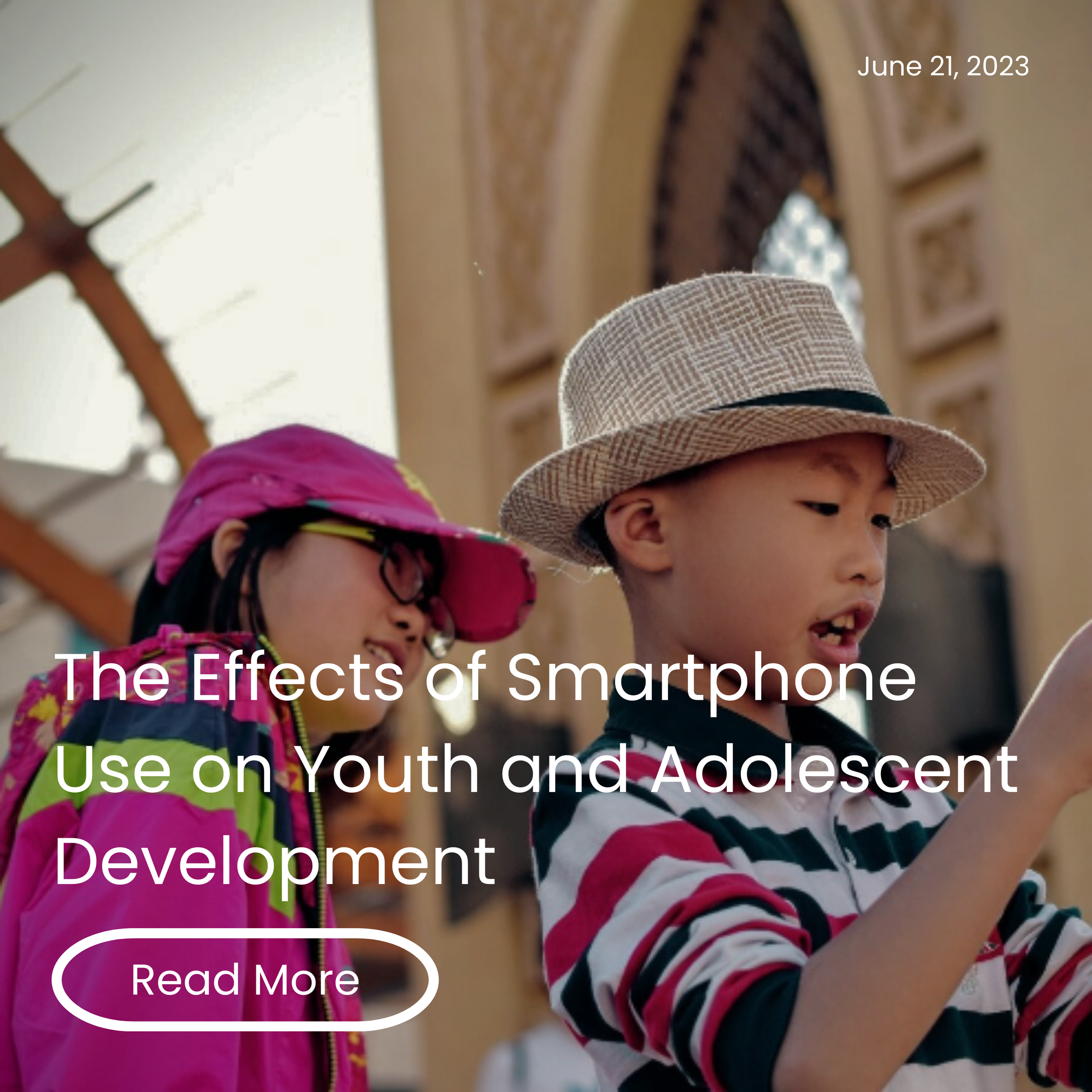
The Silent Threat: How Smartphone Addiction is Shaping Young Minds
This blog post delves into the impact of early smartphone use on youth cognitive development. It explores the potential negative consequences, such as reduced attention span, impaired memory, and limited cognitive growth. The post emphasizes the importance of parental guidance and digital literacy education in mitigating these effects. By setting screen time limits, promoting offline activities, and fostering open communication, parents can help young people develop healthy relationships with technology and ensure their cognitive well-being.
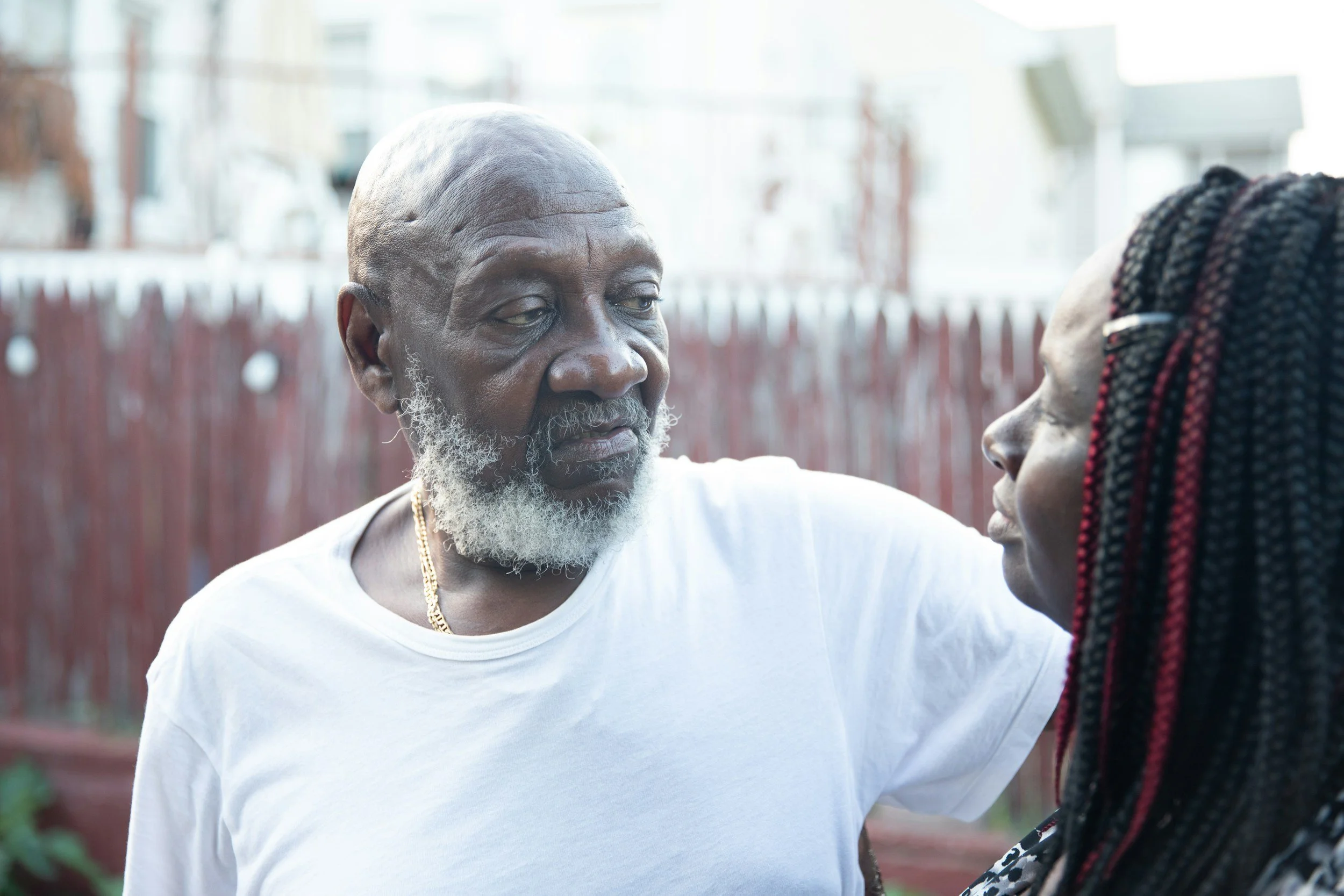
Combating Loneliness and Isolation in the Elderly
This heartwarming image captures the enduring bond between a father and daughter. The older Black man and his daughter share a tender moment, showcasing the power of family and the importance of intergenerational connections. This photo is perfect for illustrating themes of love, family, and the beauty of human connection.
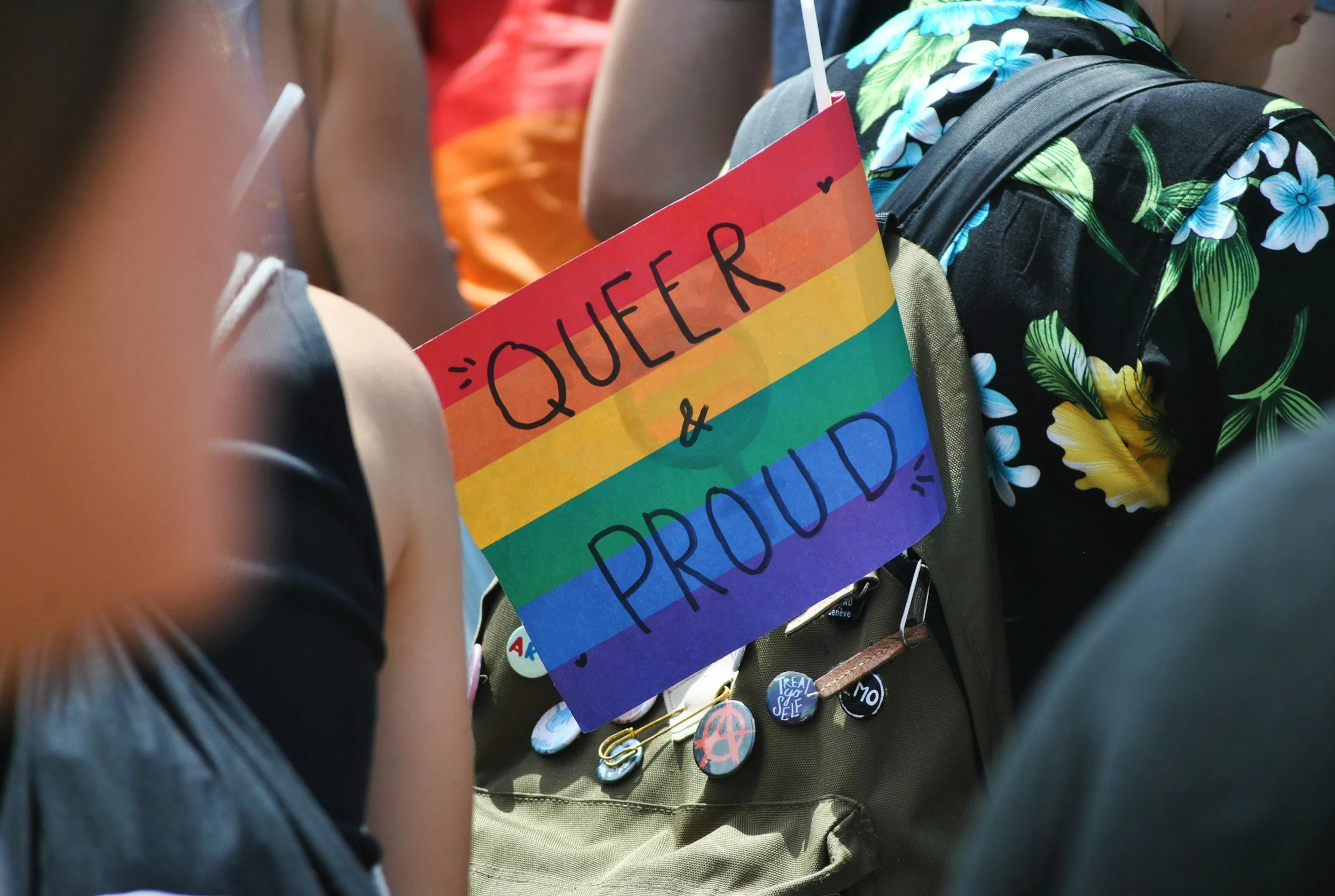
The Power of Queer and Trans Healthcare Providers: Fostering Inclusive and Compassionate Care
This vibrant image proudly displays the phrase "Queer and Proud," serving as a powerful symbol of LGBTQ+ identity and self-acceptance. The bold typography and striking design make a strong statement, celebrating diversity and individuality. This image can be used to raise awareness, promote inclusivity, and inspire others to embrace their true selves.


Abortion Access in the United States and Its Impact on Mental Health
This blog delves into the complex relationship between abortion and mental health in the United States. It explores the potential psychological impacts of both having an abortion and being denied one, drawing on research and expert insights. The blog also discusses the role of stigma, access to care, and societal attitudes in shaping mental health outcomes.