

Online Transgender & Gender-Expansive Therapy
Care grounded in autonomy, consent, and your right to define yourself.
You may be exploring your gender, navigating transition, dealing with dysphoria, recovering from rejection, or simply looking for a therapist who understands trans life without turning every conversation into a conversation about gender.
At Phoenix Rising Centers, you do not have to prove who you are before receiving care. Your name, pronouns, body, relationships, and choices are not up for debate.
Find a Therapist
Online therapy in Rhode Island, Massachusetts, Virginia, and 11 other states.
Insurance accepted. Availability, coverage, and service area vary by therapist.
See all 14 states we serve
- Rhode Island
- Massachusetts
- Virginia
- California
- Colorado
- Florida
- Georgia
- Michigan
- Mississippi
- Nevada
- Oregon
- Pennsylvania
- Texas
- Washington
Autonomy. Consent. Collective care.
You should not have to prove your gender in therapy.
Being misgendered, questioned about your body, or expected to tell one tidy story can make healthcare feel like another place to defend yourself. You may have learned to exaggerate distress to access care or hide uncertainty to be believed. That caution deserves to be understood in the context of what you have had to navigate.
You define yourself.
You can know your gender, be unsure, change your language, or want something different from other trans people. You deserve room to explore without performing certainty. Your therapist supports your thinking and self-trust; they do not decide whether your gender is real.
You have a say in your care.
Consent is an ongoing conversation. There is room to question an approach, ask why something matters, decline an exercise, or change the pace. We work toward goals you help define, with space to disagree and revisit what feels useful.
Your conditions matter.
Housing, work, family, immigration systems, racism, and disability access shape what safety can look like. We make room for those realities alongside dysphoria, grief, relationships, and joy. Chosen family, cultural belonging, and community care can also be part of what sustains you.
Why we name power in therapy
Our anti-colonial and abolitionist commitments ask us to examine who gets to define a legitimate identity, whose knowledge is trusted, and when care becomes surveillance or control. In therapy, this means questioning our own assumptions, taking concerns about harm seriously, and building support around consent, accountability, and the material conditions of your life. We understand collective care as a shared responsibility to make safety, connection, and choice more possible.
At Phoenix Rising Centers, we work with you to strengthen self-trust, navigate harm, and make room for the life and relationships you want. You bring knowledge of your own life. That knowledge belongs in the room.
What we support / 9 areas of care
Transgender & gender-expansive therapy.Room for your whole life.
There is room for what you are navigating now. Explore these areas of support at your own pace.
- Exploration
Gender Exploration
Space to explore gender, pronouns, names, expression, embodiment, and identity without pressure to choose a label or reach a particular conclusion.
- Your path
Social, Medical, or Legal Transition
Support while considering or navigating coming out, changing your name or documentation, hormone therapy, surgery, voice, clothing, disclosure, or changes within your relationships.
Transition is not one fixed path. You decide what belongs in yours.
- Embodiment
Dysphoria, Euphoria, and Body Distress
Exploring your relationship with your body without assuming that every difficult feeling begins inside it.
Body distress can also be shaped by surveillance, misgendering, racism, disability, fatphobia, medical harm, financial barriers, and the pressure to become recognizable to other people.
- Space to rest
Anxiety, Depression, and Burnout
Support for exhaustion, isolation, grief, depression, anxiety, shutdown, dissociation, and the strain of monitoring your safety across different environments.
- Connection
Family, Relationships, and Chosen Family
Navigating family expectations, rejection, repair, dating, partnership, intimacy, parenting, friendship, community conflict, or the work of building chosen family.
- Meaning & faith
Religious and Spiritual Harm
Processing rejection, conversion efforts, moral judgment, exclusion from faith communities, or fear that has become attached to gender, sexuality, and the body.
Therapy may also make room for reconnecting with faith or spirituality on your own terms.
- Safety & context
Trauma and Identity-Based Harm
Support for experiences of harassment, assault, family violence, housing instability, discrimination, medical mistreatment, coercion, incarceration, or repeated exposure to environments where your safety depended on staying quiet.
- Access & care
Neurodivergence and Disability
Care for transgender people who are also autistic, ADHD, AuDHD, disabled, chronically ill, or otherwise neurodivergent.
Your communication, sensory, access, and processing needs should not be used to undermine your understanding of your own gender.
- Self-determination
Self-Trust and Agency
Rebuilding trust in your perceptions, boundaries, desires, and decisions after other people or institutions have repeatedly overridden them.
Swipe, scroll, or use the topic numbers.9 areas of support
Trans distress has a context
Your identity is not the only thing affecting your mental health.
Transgender people are often sent to therapy as though their distress began with gender. But distress can grow from the conditions you have to navigate every day.

-
Access to healthcare
Being denied care or managing the financial cost of transition.
-
Work and housing
Facing unsafe conditions where you earn a living or need a place to rest.
-
Family and relationships
Losing family support or calculating when it is safe to disclose a relationship.
-
Everyday safety
Deciding where it is safe to use a bathroom, show identification, or correct someone.
These conditions do not affect everyone equally.
Race, disability, immigration status, class, faith, geography, and access to community can shape who receives protection, who is believed, and who carries the greatest consequences when institutions become hostile.
Therapy can support you emotionally while remaining honest about the material realities affecting your life.
Our approach
Care that protects your right to choose.
Therapy at Phoenix Rising Centers is collaborative. Your knowledge of your life helps guide the language we use, the pace of the work, and the goals we pursue together.
Our anti-colonial and abolitionist commitments include examining power within therapy itself. Consent means having room to question an approach, decline an exercise, name harm, or change direction. We work to expand your agency and the support available to you.
Explore gender on your own terms
You can arrive with clarity, questions, or language that is still changing. Exploration does not need a predetermined outcome.
- Explore gender, names, pronouns, and expression without pressure to choose a label.
- Examine masculinity, femininity, and gender beyond the roles imposed by family, culture, religion, or institutions.
- Make room for dysphoria, euphoria, grief, and your changing relationship with your body.
Navigate transition and relationships
Your decisions unfold within relationships, practical constraints, and hopes for your life. We can think through those conditions together.
- Consider or prepare for social, medical, or legal transition, guided by your priorities.
- Navigate intimacy, partnership, family roles, and other relationship changes during or after transition.
- Prepare for conversations with family members, partners, employers, or healthcare providers.
- Build boundaries around disclosure and the emotional labor of explaining or defending yourself.
Work with trauma and survival responses
We approach distress with curiosity about what happened, what remains unsafe, and what has helped you survive.
- Work through trauma at a pace you help set, without being required to disclose every detail.
- Process family rejection, religious harm, and experiences of exclusion or coercion.
- Understand shutdown, dissociation, vigilance, and other survival responses without treating them as character flaws.
- Address anxiety, depression, and burnout while keeping ongoing sources of strain in view.
Keep culture, access, and community in view
Race, culture, disability, class, and migration belong in the conversation about what you need and what choices are available.
- Explore how overlapping systems and expectations shape safety, belonging, and access to care.
- Discuss communication, sensory, processing, and access needs as part of shaping the work together.
- Identify relationships, cultural connections, and community resources that support you, while making room for boundaries within those spaces.
Reclaim self-trust, pleasure, and possibility
Therapy can hold the life you want to build alongside the harm you are working through.
- Rebuild trust in your perceptions and decisions after gatekeeping, medical harm, or having your knowledge dismissed.
- Reconnect with pleasure, desire, creativity, and community without pressure to feel joyful before you are ready.
- Notice what you want, practice boundaries, and define meaningful change for yourself.
There is no requirement to be calm, certain, binary, medically transitioning, or visibly distressed enough to receive support. You can bring uncertainty, anger, exhaustion, hope, or a mixture of all of them.
Autonomy in the therapy room
Trust is built through what happens between us.
Therapy holds a difference in power. At Phoenix Rising Centers, our responsibility is to remain accountable for how we use it. Your consent, knowledge, and ability to disagree belong in the work from the beginning.
-
Choose your language.
Your name, pronouns, identity, and words for your body deserve respect. You can correct language that does not fit. Clinical terminology should not override how you understand yourself.
You do not have to translate yourself into someone else's idea of legitimacy.
Next: Set the pace -
Set the pace.
You can pause, decline an exercise, or leave a question unanswered. You do not have to recount trauma, discuss your body, or make a decision before you are ready.
Consent remains open to revision throughout the work.
Next: Change direction -
Change direction.
Your goals, name, pronouns, presentation, or understanding of yourself may change. There is room to reconsider a decision, return to a question, or want something different.
Changing your mind does not make your self-knowledge less worthy of respect.
Next: Ask questions -
Question the therapist.
You can ask about experience, approach, identity, boundaries, or understanding of trans care. You deserve clear explanations of the work and its limits, including when a therapist cannot answer a personal question.
Disagreement belongs in a collaborative relationship.
Next: Name harm -
Name harm. Expect repair.
Therapists can misunderstand, misgender, or make assumptions. You deserve a response that listens, takes responsibility, and changes what happens next. Repair should not depend on reassuring your therapist.
You can name a concern without taking on the work of managing their discomfort.
Next: Define the work -
Decide what therapy is for.
Gender may be central, one thread in a larger story, or unrelated to what brings you here. Work stress, grief, intimacy, creativity, family, and ordinary life all deserve space.
You help define what matters and what meaningful change looks like.
Back to the beginning
Accountability is part of care. Our anti-colonial and abolitionist commitments ask us to examine control within the therapy relationship itself, listen when harm is named, and keep making room for your agency.
Who we work with
Care for the person you are.On your own terms.
You may know how you describe yourself, be trying out new language, or still be exploring. Your access to support should not depend on having a settled identity or a particular transition story.
- Transgender
- Nonbinary
- Gender-expansive
- Genderfluid
- Agender
- Two-Spirit
- Questioning

Wherever you are in exploration.
You may be exploring a new name or pronouns; considering, beginning, pausing, or continuing transition; or returning to gender exploration later in life. Choosing not to medically or socially transition also belongs here.
With the whole of your life in view.
You may be navigating gender alongside race, culture, faith, disability, or migration. You may also be queer, asexual, aromantic, polyamorous, or kinky. These experiences can shape your relationships and needs without becoming something you have to justify.
When someone you love is trans.
You may be supporting a transgender partner or family member and want help listening, navigating change, or showing up with care. There is room to work through your own questions while respecting their autonomy.
When gender is not the reason you came.
You may want support with grief, work, relationships, or another concern from a therapist who understands transgender life. Gender does not have to become the focus of every session.
Finding a clinician for your age and needsSome Phoenix Rising therapists work with adolescents, while others work only with adults. Age ranges and availability vary by clinician and state.
Find a TherapistMeet our transgender and gender-affirming therapists
Find someone who can meet the whole of you.
Our clinicians bring different identities, lived experiences, approaches, and training. You can ask for someone who understands race, culture, neurodivergence, disability, faith, polyamory, kink, medical trauma, or family rejection. We cannot promise every preference will be available in every state, but we will be honest about the options.
View available therapistsNo confirmed matches in this selection. This does not mean care is unavailable across Phoenix Rising Centers. Private-pay arrangements may need confirmation.
Ask our intake team about your needs Accepting new clients
Modupe
She/Her
States served
Rhode IslandAge groups
AdultsYou may be a good fit if…
You want space for gender, trauma, migration, or racial and systemic harm to be understood together.Meet ModupeExperience, insurance & care details
- Transgender and gender-expansive experience
- Supports gender identity, dysphoria, and gender-affirming care access.
- Related specialties
- Trauma, ADHD, emotional regulation, immigration stress, racial identity, religious harm.
- Gender-affirming care letters
- Available; confirm process and fees.
- Insurance listed
- Aetna, Harvard Pilgrim, Tufts RI, Optum, UHC, Medicaid, BCBS, Neighborhood Health Plans, Carelon. Confirm your specific plan.
- Private pay and sliding scale
- Sliding scale listed. Ask about private-pay fees.
- Availability
- Accepting new clients listed on the profile. Confirm with intake.
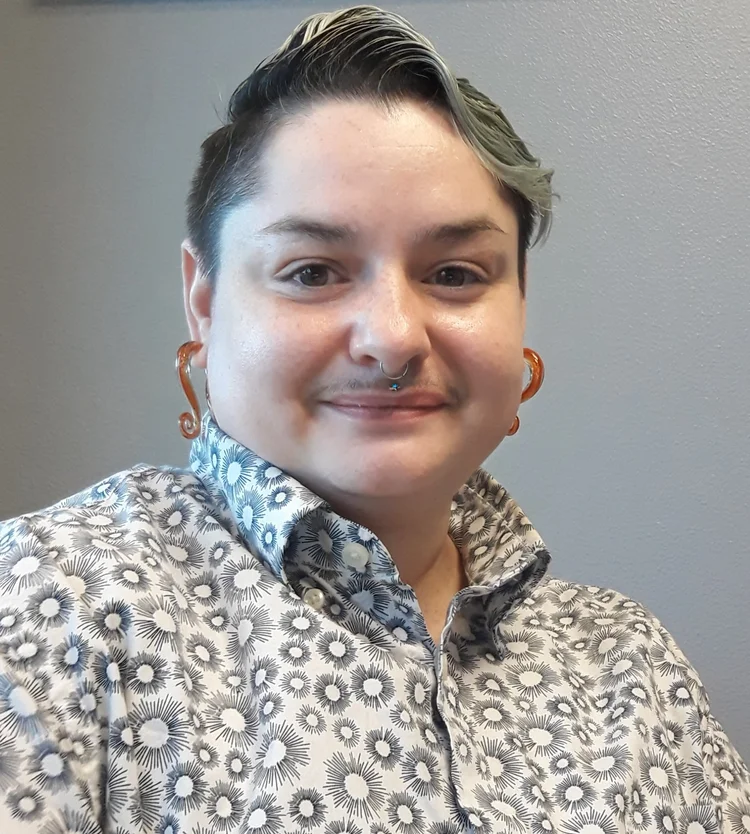 Accepting new clients
Orion Block
Hir/Ze
States served
Rhode Island, NevadaAge groups
Adolescents listed; ask about the full age range.You may be a good fit if…
You want support around gender, trauma, disability, or relationships, including polyamory and kink.Meet Orion BlockExperience, insurance & care details
- Transgender and gender-expansive experience
- Gender and sexuality specialist with an intersectional community-organizing background.
- Related specialties
- Trauma, ADHD, disability, abandonment, polyamory, kink, relationships.
- Gender-affirming care letters
- Free gender-affirming care letters listed; confirm arrangements.
- Insurance listed
- Aetna RI and NV; Harvard Pilgrim; Tufts RI; Optum; UHC; RI Medicaid; BCBS RI; Neighborhood Health Plans; Carelon RI.
- Private pay and sliding scale
- Sliding scale listed. Ask about private-pay fees.
- Availability
- Accepting new clients listed on the profile. Confirm with intake.
 Accepting new clients
Merlin Slade
He/Him
States served
Rhode Island, MassachusettsAge groups
Adults, AdolescentsYou may be a good fit if…
You want collaborative support around trans identity, neurodivergence, family relationships, or trauma.Meet Merlin SladeExperience, insurance & care details
- Transgender and gender-expansive experience
- Has facilitated transgender and nonbinary groups and works with queer and trans adolescents and adults.
- Related specialties
- ADHD, autism, PTSD, complex trauma, anxiety, family relationships.
- Gender-affirming care letters
- Ask intake; letter services are not confirmed here.
- Insurance listed
- BCBS RI, United, Tufts, Neighborhood Health Plan, Aetna, United Student Health Resources, RI Medicaid, Harvard Pilgrim.
- Private pay and sliding scale
- Sliding scale listed. Ask about private-pay fees.
- Availability
- Accepting new clients listed on the profile. Confirm with intake.
 Accepting new clients
Sohil Shah
He/Him
States served
Rhode Island, Massachusetts, Virginia, California, Oregon, Washington, ColoradoAge groups
AdultsYou may be a good fit if…
You want to explore identity, neurodivergence, family expectations, or life changes at your own pace.Meet Sohil ShahExperience, insurance & care details
- Transgender and gender-expansive experience
- Offers collaborative care for LGBTQ+ and neurodivergent adults. Ask about your specific gender-related needs.
- Related specialties
- ADHD, autism, anxiety, depression, identity, life transitions, relationships.
- Gender-affirming care letters
- Ask intake; letter services are not confirmed here.
- Insurance listed
- Cigna RI; Aetna RI, CO, CA, VA; Harvard Pilgrim; Tufts; Optum; United; RI Medicaid; Neighborhood Health Plans; BCBS RI and MA; Carelon RI.
- Private pay and sliding scale
- Sliding scale listed. Ask about private-pay fees.
- Availability
- Accepting new clients listed on the profile. Confirm with intake.
 Limited availability
Alishia Jennings
She/Her
States served
Rhode IslandAge groups
AdultsYou may be a good fit if…
You are carrying grief, chronic illness, caregiving demands, or questions about LGBTQIA+ identity.Meet Alishia JenningsExperience, insurance & care details
- Transgender and gender-expansive experience
- Gender-affirming care informed by disability justice and the wider conditions shaping distress.
- Related specialties
- Grief, chronic illness, disability, caregiver stress, social anxiety, dementia.
- Gender-affirming care letters
- Ask intake; letter services are not confirmed here.
- Insurance listed
- Aetna, Harvard Pilgrim, Tufts, Optum, UHC, RI Medicaid, BCBS RI, Neighborhood Health Plans.
- Private pay and sliding scale
- Ask about private-pay fees and sliding-scale availability.
- Availability
- Limited availability listed on the profile. Confirm with intake.
 Confirm availability
Eben
He/They
States served
Rhode Island, PennsylvaniaAge groups
AdultsYou may be a good fit if…
You want a queer trans therapist who understands identity, harm reduction, polyamory, or kink.Meet EbenExperience, insurance & care details
- Transgender and gender-expansive experience
- Works primarily with trans, nonbinary, and queer clients; brings experience in housing and community mental health.
- Related specialties
- Trauma, substance use, gender exploration, relationships, polyamory, kink.
- Gender-affirming care letters
- Free gender-affirming care letters listed; confirm arrangements.
- Insurance listed
- BCBS RI, Optum Commercial, Neighborhood Health Plans, Tufts RI, Harvard Pilgrim, RI Medicaid, Aetna PA and RI.
- Private pay and sliding scale
- Sliding scale listed. Ask about private-pay fees.
- Availability
- Please confirm openings or waitlist status with intake.
Online therapy by state
Gender-affirming care.
Across 14 states.
Explore online transgender and gender-expansive therapy in Virginia, Massachusetts, Rhode Island, and 11 other states. We match you with a clinician authorized to provide care in the state where you are physically located during your sessions.
Virginia
Online therapy throughout Virginia, with room for your gender, your relationships, and the conditions shaping your life.
Find a therapist in VirginiaMassachusetts
Online therapy throughout Massachusetts for transgender, nonbinary, and gender-expansive people seeking care on their own terms.
Find a therapist in MassachusettsRhode Island
Online therapy throughout Rhode Island that makes space for self-definition, connection, and the support you want.
Find a therapist in Rhode IslandExplore therapy in 11 more states
Availability, age groups, specialties, and insurance participation vary by therapist and state. Our matching team can help you confirm which options fit your needs.
Finding the right fit
Tell us what would help you feel less guarded.
It matters who is listening, what they understand, and how they respond when you disagree. Your preferences can reflect what has helped you feel respected, what has caused harm, and what you need from care now.
You do not have to describe your entire history. Share what feels relevant on the matching form. We will use it to identify the closest available options and be honest about what we can offer.
Get matched with a therapistNot sure what to include? Explore a few preferences you can share on the matching form.
Who understands your world
- A therapist’s identity or lived experience
- Understanding of your race, culture, community, or migration experience
- Familiarity with polyamory or kink
- Understanding of religious or spiritual harm
What you need from care
- Experience with transgender healthcare and gender exploration
- Neurodivergent-affirming care that respects your communication and processing needs
- Experience with disability, chronic illness, or medical harm
- Gender-affirming care letter support
- A more direct or gentler communication style, with room to say what works for you
What makes care accessible
- Your insurance, budget, or questions about cost
- Scheduling needs, including work or caregiving commitments
- Access needs that would help you participate, such as captions, breaks, or time to process
Therapist availability, insurance participation, letter services, and access options vary. You can name what matters most, and our team can help you understand the available choices.
Your preferences belong in the conversation from the beginning.
Frequently asked questions
Do I Need a Diagnosis to Begin Therapy?
You do not need to arrive with a diagnosis to reach out. Being transgender, nonbinary, or gender-expansive is not itself a mental health diagnosis. You can reach out whether you are certain about your gender, questioning, or simply looking for a therapist who understands transgender experiences. If you plan to use insurance, ask our team about any diagnosis and documentation requirements for coverage.
Do I Have to Want to Transition?
No. You decide whether social, medical, or legal transition is part of your life. Therapy can support exploration without directing you toward a particular outcome.
Will My Therapist Question Whether I Am “Really” Trans?
Your therapist may ask thoughtful questions to understand your experience and goals. Those conversations should support your self-understanding rather than function as a test of whether your identity is valid.
Can I Talk About Things Other Than Gender?
Yes. Transgender people seek therapy for the same wide range of reasons as anyone else, including trauma, grief, relationships, work, anxiety, depression, family, disability, and major life changes. Your gender does not have to become the subject of every session.
Can You Help With Gender Dysphoria?
Yes. Therapy may explore dysphoria, body distress, misgendering, social pressure, safety, medical decisions, and the conditions that intensify discomfort. The therapist should not assume that dysphoria means you hate your body or that there is only one way to respond to it.
What About Gender Euphoria?
Therapy can also make room for joy, pleasure, recognition, experimentation, community, and the experiences that help you feel more connected to yourself.
Can You Provide Letters for Gender-Affirming Medical Care?
Some clinicians may provide gender-affirming care letters. Availability depends on the therapist, state, procedure, and documentation requirements. Mention that you need a letter when completing the matching form.
Do Your Therapists Prescribe Hormones?
Therapists do not prescribe hormone therapy unless they hold separate medical prescribing credentials. They may be able to support you emotionally, help you prepare questions, or connect you with additional resources.
Can You Help Me Decide Whether to Transition?
Therapy can help you explore your needs, hopes, fears, safety, relationships, resources, and options. The decision remains yours.
Do You Work With Nonbinary and Genderfluid People?
Yes. You do not need to identify within a binary or have a fixed relationship with gender to receive care.
Do You Work With Transgender Adolescents?
Some therapists work with adolescents, while others serve adults only. Availability, consent requirements, and therapist licensure vary by state. Include the young person’s age and location on the matching form.
Can Parents or Partners Attend Therapy?
Some clinicians offer family, partner, or relationship therapy. Others may occasionally invite a support person into an individual session when clinically appropriate and agreed upon by the client.
Can I Request a Transgender Therapist?
Yes. You can request a therapist with a particular identity or lived experience. We cannot guarantee that every preference will be available in every state, but we will take the request seriously and explain the options honestly.
Do You Work With Black and Brown Transgender Clients?
Yes. Our approach makes room for race, culture, class, disability, faith, immigration, and the conditions in which someone lives. The effects of racism and gendered violence belong in the conversation when they are part of your experience.
Do You Work With Autistic or ADHD Transgender Clients?
Yes. Some therapists specialize in transgender and neurodivergent care. Therapy can be adapted around communication, sensory needs, processing time, executive functioning, masking, and fluctuating capacity.
Can I Keep My Camera Off During Online Therapy?
Possibly. Camera use and other access needs should be discussed with your therapist because clinical requirements and practices vary. Tell us what would make therapy more accessible during the matching process.
Is Therapy Confidential?
Therapy is generally confidential, with specific legal and ethical exceptions. Your therapist will explain those limits before or during your first session so you can make informed choices about what you share.
Is Therapy Available Online?
Yes. Phoenix Rising Centers offers online therapy in Rhode Island, Massachusetts, Virginia, California, Colorado, Florida, Georgia, Michigan, Mississippi, Nevada, Oregon, Pennsylvania, Texas, and Washington. Availability and specialties vary by therapist and state. Your therapist must be authorized to provide care where you are physically located during your sessions.
Do You Accept Insurance?
Yes. Phoenix Rising Centers accepts insurance. Plans and coverage vary by therapist and state. Our team can help you identify the options available before you schedule.