Online therapy across Virginia, Rhode Island, Colorado, Georgia, and Massachusetts

Online LGBTQ+ and Neurodivergent Therapy

For Queer, Trans, Autistic, ADHD, and AuDHD Adults

You should not have to spend the beginning of therapy teaching someone what your identity means, explaining why masking is exhausting, or wondering whether your relationship, pronouns, stims, body, or way of communicating will become the problem.

Read more about our care and therapist matching

Phoenix Rising Centers provides online therapy for queer, trans, and neurodivergent adults across Virginia, Rhode Island, Massachusetts, Colorado, and Georgia.

You may be coming to therapy for trauma, anxiety, grief, burnout, relationships, identity, or a life transition. Your queerness or neurodivergence does not have to be the reason you are struggling for it to matter in the room.

We will help you find a therapist licensed in your state whose experience, approach, availability, and payment options fit what you need.

  • Online care in Virginia, Rhode Island, Massachusetts, Colorado, and Georgia
  • Insurance accepted, including Aetna, Blue Cross Blue Shield, Medicaid, and more
  • Plans and coverage vary by therapist and state

Therapy Where You Do Not Have to Translate Yourself First

Many queer and neurodivergent people arrive in therapy already tired.

The effort other people may not see

You may have learned to watch how you speak, move, dress, react, or ask for help. You might plan every conversation before having it, hide sensory distress until you get home, or use anxiety to keep yourself organized enough that other people never see the effort involved.

When therapy repeats that pressure

Traditional therapy can repeat that pressure.

A therapist may treat stimming as something to reduce, mistake shutdown for resistance, push eye contact, assume every relationship is monogamous, or discuss systemic harm as though it were simply an unhelpful thought.

Our therapists begin somewhere else.

We want to understand how you experience the world, what your responses have helped you survive, and what kind of support would give you more choice now.

You May Be Looking for Support With

Queer, Trans, and Gender-Expansive Life

  • Exploring gender or sexuality without pressure to settle on a label
  • Coming out, choosing not to come out, or deciding who gets to know
  • Gender dysphoria, body grief, and gender euphoria
  • Family rejection or conditional acceptance
  • Dating, intimacy, and relationships
  • Preparing for or adjusting to transition-related care
  • Religious shame or spiritual harm
  • Finding community and belonging
  • Living in places where being visible carries real consequences
  • Building a life that holds more than survival

ADHD, Autism, AuDHD, and Other Neurodivergence

  • Masking and the exhaustion that follows
  • Autistic or ADHD burnout
  • Sensory overload
  • Shutdowns, meltdowns, and fluctuating capacity
  • Task initiation and executive-function challenges
  • Time, memory, and transitions
  • Sensitivity to criticism or rejection
  • Communication differences
  • A late diagnosis or self-recognition
  • Grief about support you should have received earlier
  • Creating routines that work with your brain
  • Asking for accommodations without feeling like a burden

Trauma, Anxiety, Grief, and Relationships

  • Complex, relational, or intergenerational trauma
  • Anxiety, depression, and chronic stress
  • Dissociation or feeling disconnected from your body
  • Grief and ambiguous loss
  • Workplace or school discrimination
  • Medical trauma
  • Chronic illness and disability
  • Family and cultural expectations
  • Immigration, displacement, and belonging
  • Polyamory, kink, and expansive relationships
  • Chosen-family conflict
  • Burnout from caregiving, organizing, or advocacy

You do not need to fit into only one category. These parts of life overlap because people do.

Our approach

What Queer and Neurodivergent-Centered Therapy Can Look Like

Queer and neurodivergent-centered therapy at Phoenix Rising begins with context: the body, the stories you have inherited or been assigned, the relationships that shaped you, and the systems you have had to move through. Care can honor how you survived while creating more room for choice, connection, and ways of living that feel like your own.

Your Identity Does Not Need to Become the Diagnosis

Queerness, transness, autism, ADHD, disability, culture, and non-traditional relationships have all been treated as problems by institutions with the authority to define what is normal.

That history still appears in therapy.

It shows up when success is measured by how well someone masks, produces, tolerates discomfort, becomes independent, or returns to an environment that was harming them. It appears when understandable responses to racism, transphobia, ableism, poverty, or family rejection are reduced to distorted thinking.

At Phoenix Rising Centers, we keep the context in view.

Your distress is real. So are the conditions surrounding it. Therapy can support change without pretending that every source of pain lives inside you.

Who we support

You Do Not Have to Make Yourself Easier to Understand Here

Many people find Phoenix Rising after years of translating themselves for family, partners, workplaces, schools, healthcare providers, or even previous therapists. You may look capable from the outside while spending most of your energy masking, managing overwhelm, anticipating rejection, or deciding which parts of yourself are safe to reveal.

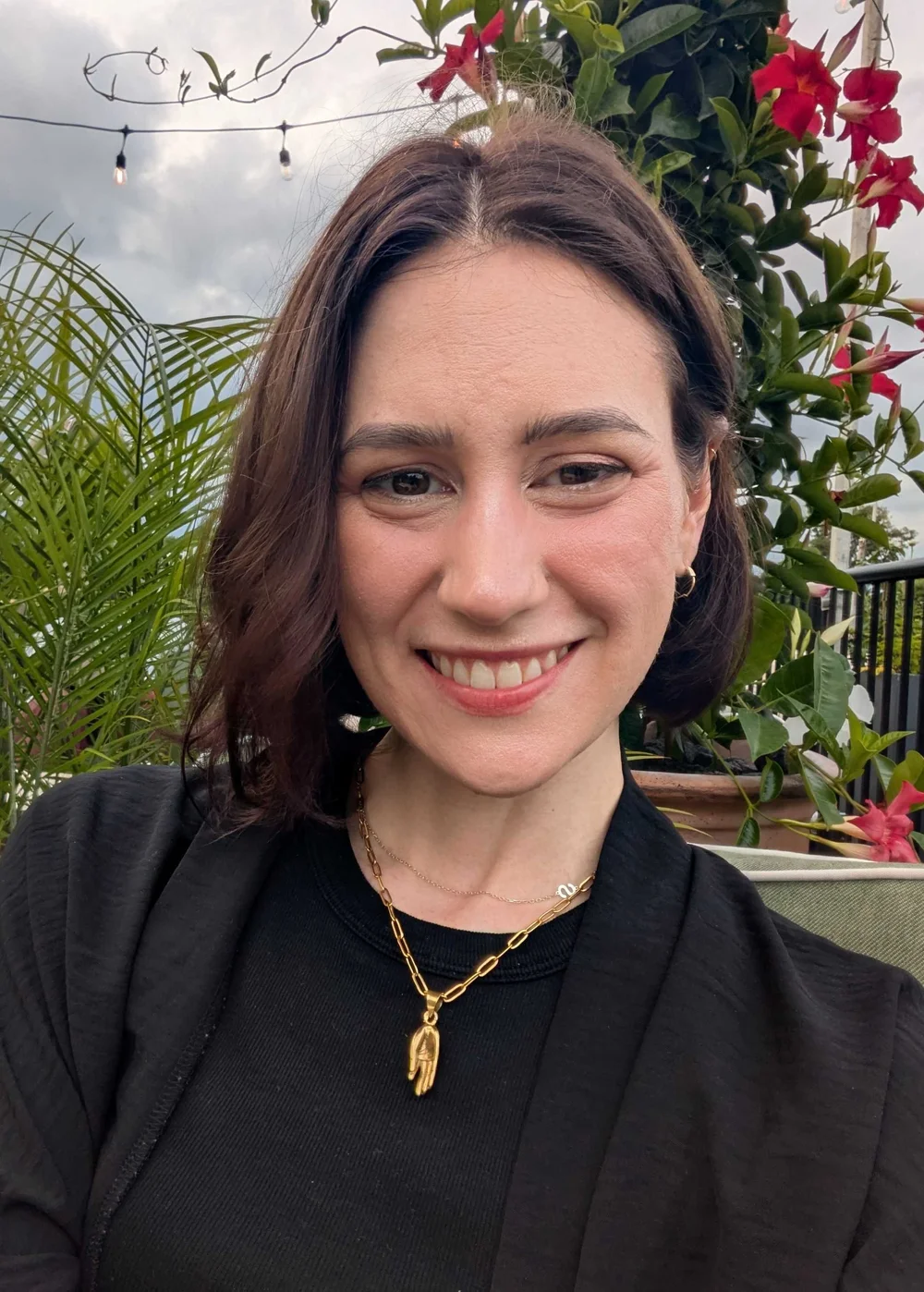
A person wearing glasses and colorful earrings smiling outdoors.

You do not need a finished explanation of yourself before therapy can begin.

You are exploring who you are and who gets to know

You may be moving through gender transition, coming out, choosing not to come out, or searching for language that feels closer to your experience. Perhaps your understanding of your gender, sexuality, culture, or neurodivergence is changing, while the people around you still expect an older version of you.

Therapy can make room for uncertainty without rushing you toward a label or a disclosure. We can explore what belonging means, what visibility could cost, which relationships feel possible, and how family, culture, faith, or community shape the choices available to you.

  • Gender transition
  • Coming out or not coming out
  • Labels and language
  • Family expectations
  • Cultural belonging
  • Religious or spiritual harm

Your body or brain has been carrying too much for too long

You may keep functioning in public and collapse when you get home. Ordinary demands may require planning, scripting, sensory preparation, or recovery that nobody else sees. Rest might help briefly without touching the conditions that keep draining you.

We can slow down and notice what your nervous system is responding to, what masking has protected, and where your current routines are exceeding your actual capacity. Support can include sensory regulation, more workable structures, communication tools, accommodations, and ways of moving through life that do not depend on shame.

  • Autistic or ADHD burnout
  • Masking exhaustion
  • Sensory overwhelm
  • Shutdowns and meltdowns
  • Executive-function support
  • RSD, anxiety, or depression
  • Chronic illness or disability

Your relationships do not fit narrow scripts

You may be navigating intimacy, conflict, boundaries, sex, caregiving, or commitment in relationships that other people misunderstand. Different neurotypes, processing speeds, attachment needs, cultural expectations, or experiences of gender can all affect how connection is built and repaired.

Polyamory, kink, queer relationships, and chosen family will not be treated as evidence that something is wrong. Therapy can help you name what you want, communicate across differences, work through rupture, and build agreements rooted in consent rather than inherited assumptions.

  • Polyamory
  • Kink
  • Queer relationships
  • Chosen family
  • Sex and intimacy
  • Communication differences
  • Boundaries and repair

You are tired of being asked to adapt to what keeps harming you

Perhaps a workplace, school, healthcare system, family, or community keeps treating your needs as inconvenience. You may have been praised for overworking, punished for communicating differently, denied support because you appeared too capable, or expected to tolerate environments that repeatedly overwhelm your body.

We will not pathologize stimming, special interests, non-linear communication, distrust, anger, or the need to withdraw without asking what those responses make possible. Therapy can support self-advocacy while keeping the responsibility for inaccessible and harmful conditions where it belongs.

  • Workplace or school harm
  • Healthcare experiences
  • Racism and transphobia
  • Ableism
  • Accommodation support
  • Self-advocacy
  • Non-linear communication

Sometimes all you know is that the way you have been surviving is becoming harder to carry. You can arrive unsure, guarded, exhausted, angry, curious, hopeful, or all of these at once. We can begin with what is happening now.

Watercolor painting of a white lily flower with green leaves and yellow stamens.

Related Reading & Context

Many queer and neurodivergent people arrive in therapy after years of being misunderstood, asked to adapt, or told that their distress is something to manage quietly.

If language and context feel helpful, these reflections explore why affirming care matters and what often goes missing in conventional approaches:

Why Therapy Hasn’t Worked for Many Neurodivergent Adults
An exploration of how traditional therapy can unintentionally reinforce burnout, masking, and self-blame when nervous systems, sensory needs, and capacity are not understood.

What Is Neurodecolonization? Collective Care and Anti-Colonial Therapy
A look at how systems of power shape distress, urgency, and ideas of “functioning,” and how care can shift when healing is rooted in dignity, history, and collective context rather than individual pathology.

Meet More of Our Therapists

Many of our clinicians have lived experience and training in supporting neurodivergent and queer communities.

We know therapy works best when your communication style, sensory needs, and identity are understood. Our team includes therapists who honor neurodiversity and queerness as natural ways of being, not problems to solve.

During your free consultation, you can share what kind of care you need, someone familiar with autistic burnout, ADHD overwhelm, masking, or queer identity development.

We’ll connect you with a therapist who meets you where you are, offering care that respects your rhythm, language, and lived experience.