

Online therapy across multiple states
Disability & Chronic Illness Therapy
Therapy that takes disability, access, fatigue, and survival seriously.
Living with disability or chronic illness can reshape nearly every part of life. Many people spend years being dismissed, disbelieved, over-medicalized, or treated as problems to manage rather than people deserving care.
The conditions around you matter
Disability takes shape within a world.
- Ableism
- Economic precarity
- Inaccessible environments
- Racism and environmental harm
- Medical neglect
- Anti-fatness
- Transphobia
- Immigration systems
- Chronic stress and survival
Disability and chronic illness are shaped by more than a diagnosis. Access to housing, income, rest, healthcare, community, and safety can change what is possible on any given day.
We work with disabled and chronically ill clients from a perspective that takes access, interdependence, body realities, and the emotional cost of navigating systems seriously.
There is room here for limitation, grief, adaptation, rest, anger, uncertainty, and survival.
What we support
Care for the parts of life illness can touch.
Therapy can hold what changes in the body and what those changes mean for work, family, intimacy, identity, autonomy, safety, and the future you expected to have.
Chronic illness, pain, and fatigue
Disability identity and changing capacity
Medical trauma and healthcare harm
Grief, isolation, and relationship strain
Neurodivergence and sensory overwhelm
Queer and trans experiences in medical systems
Many disabled and chronically ill people have learned to defend the reality of their needs. Therapy can be a place where your reality is met with care rather than debate.
What we support
There are many ways this can touch a life.
Our therapists work with people navigating disability, chronic illness, changing bodies, access barriers, and the relationships and systems around them.
01
Body, pain, and capacity
- Chronic illness
- Chronic pain
- Autoimmune conditions
- Long COVID
- Fatigue and fluctuating energy
- Mobility changes
- Invisible or episodic disability
- Sensory overwhelm
02
Diagnosis, healthcare, and uncertainty
- A new diagnosis or ongoing uncertainty
- Delayed or missed diagnosis
- Medical trauma
- Healthcare anxiety
- Burnout after years of pushing through
- Asking for accommodations
- Navigating healthcare systems
- Financial and employment stress
03
Identity, language, and belonging
- Disability identity
- Neurodivergence
- Changes in sexuality or body image
- Shame around dependence or receiving help
- Queer and trans healthcare experiences
- Racism, anti-fatness, and transphobia in medical care
- Feeling unseen in family, work, or school
04
Relationships, grief, and daily life
- Grief related to changes in body or capacity
- Caregiver and family stress
- Isolation and relationship strain
- Housing or transportation barriers
- Fear about the future
- Rebuilding a relationship with your body
- Anxiety, depression, or trauma alongside physical symptoms
You may use the word disabled. You may prefer chronically ill, neurodivergent, medically complex, or no label at all. You are still welcome here.
Our approach
Therapy that works with your life as it is.
We do not ask you to perform wellness, explain away your needs, or become more productive before you are worthy of care.
You will not be pressured to trust a system that has not yet earned that trust.
Our commitments
Care that holds power, access, and context.
Ideas about health, productivity, independence, and worth are shaped by the systems around us. Disabled, chronically ill, neurodivergent, fat, queer, trans, and racialized people are often asked to become more compliant, legible, or productive in order to receive care and dignity.
We do not reduce people to diagnoses, compliance, or output. Our work makes room for the body realities, access needs, relationships, and histories that shape a person’s life.
You deserve care even when your body is not moving at a pace the world rewards.
Your whole context belongs
Disability is one part of a whole life.
Many disabled and chronically ill people are also navigating several realities at once. Therapy should have room for those overlaps, without asking you to separate them neatly.
Identity, survival, health, and systems do not always separate cleanly. Our care does not ask them to.
Access is part of therapy
Starting therapy should not require pushing through barriers alone.
The usual expectations of therapy can create their own barriers. We want to talk openly about what would make care more workable for you.
Relationships and care
Chronic illness can change relationships, too.
Illness and disability can change how household labor, money, care, sex, transportation, plans, and social life are handled. Those changes deserve room for honesty, grief, boundaries, and negotiation.
Therapy can make space for:
Relying on someone does not make you a burden. It can also bring up difficult questions about autonomy, privacy, expectations, and what support feels safe.
- Communicating fluctuating capacity
- Asking for practical help
- Setting limits around advice
- Grief as relationships change
- Caregiver and family conflict
- Unequal or unsustainable care arrangements
- Changes in sex and intimacy
- Protecting bodily autonomy and privacy
- Building chosen family and community
- Receiving care without surrendering decision-making
Needing support does not give another person entitlement to your body, medical information, time, or choices.
You Deserve Care That Understands Survival
Living with disability or chronic illness can be exhausting in ways that are not always visible.
You should not have to prove your pain, justify your limits, or perform productivity in order to deserve support.
We aim to provide therapy that makes room for your body, your reality, and the systems surrounding your life.
Therapists Who Support Disability & Chronic Illness Communities
Many disabled and chronically ill clients are also navigating neurodivergence, medical trauma, queerness, burnout, caregiving, systemic oppression, or long-term survival stress.
These therapists approach care from trauma-informed, disability-aware, anti-oppressive, and liberation-oriented perspectives.
-
![A smiling woman with black hair and red earrings standing outdoors with autumn trees in the background.]()
Natashia Bobbit
THERAPIST FOR BLACK, QUEER & NEURODIVERGENT COMMUNITIES NAVIGATING IDENTITY, TRAUMA & SYSTEMIC HARM
Natashia supports clients navigating chronic stress, ADHD, neurodivergence, caregiving strain, trauma, grief, identity-based harm, and systemic oppression. Her work blends somatic, narrative, culturally responsive, and trauma-informed approaches with deep attention to lived experience, relational safety, and nervous system awareness.
Areas of Focus:ADHD & neurodivergence
trauma & systemic oppression
caregiving stress & burnout
cultural identity & intergenerational harm
somatic and narrative approaches
grief, survival stress & emotional overwhelm
-
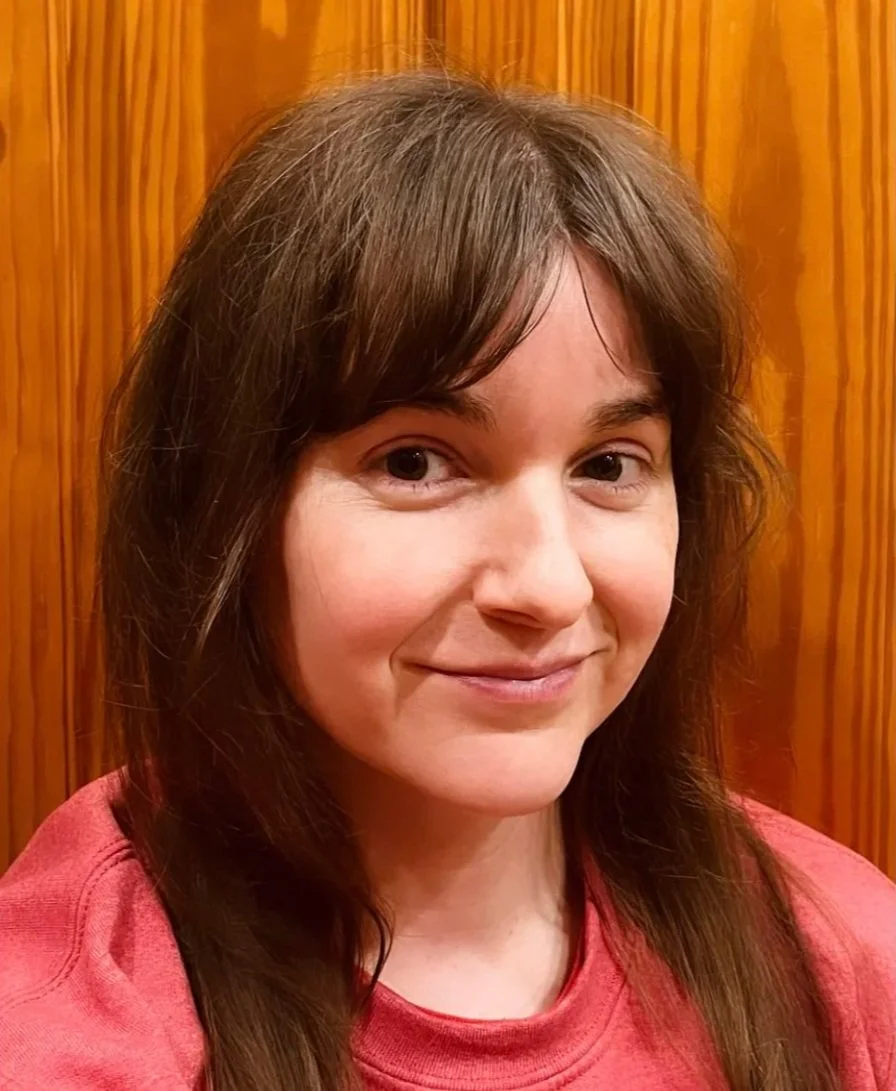
![Close-up of a woman with long brown hair smiling, wearing a red shirt, in front of a wooden background.]()
Beni Choiniere
QUEER, NEURODIVERGENT & DISABILITY-INFORMED THERAPIST
Beni works with clients navigating chronic illness, disability, medical trauma, burnout, masking, identity shifts, neurodivergence, grief, and long-term survival patterns. Their approach is grounded in narrative, relational, trauma-informed, and liberation-oriented care that recognises how systems, culture, and lived experience shape emotional wellbeing. fileciteturn6file2Areas of Focus:
chronic illness & disability
medical trauma
autism & ADHD
burnout & masking
gender identity & life transitions
trauma, grief & dissociation
narrative and relational therapy
-
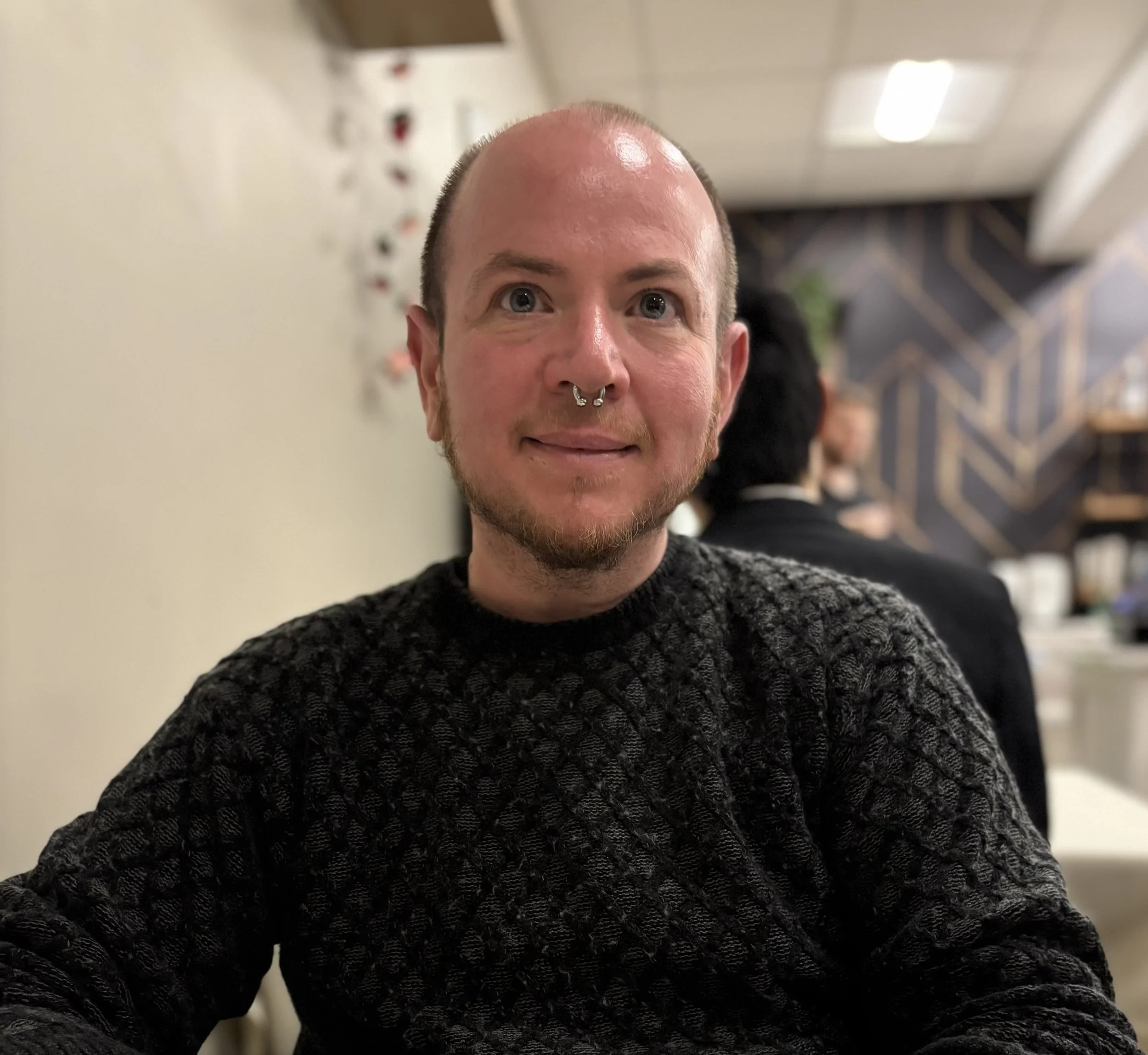
![A man with a shaved head and a septum piercing smiling in a guess restaurant with a patterned wall in the background.]()
Eben
GENDER-AFFIRMING THERAPIST FOR QUEER, TRANS & DISABLED COMMUNITIES
Eben supports queer, trans, chronically ill, and neurodivergent clients navigating trauma, emotional overwhelm, life transitions, substance use, identity exploration, and complex survival stress. His approach integrates harm reduction, trauma-informed care, feminist therapy, and collaborative practical support.
Areas of Focus:chronic illness & survival stress
trauma & emotional overwhelm
harm reduction
trans & queer identity
substance use & recovery
practical support for complex mental health experiences
collaborative and person-centered therapy
-
![A person with a short, dark hairstyle with streaks of white, smiling, wearing orange hoop earrings, a blue and white patterned shirt with a floral design, and sporting facial piercings including earrings, a septum ring, and a Monroe piercing, against a plain gray wall.]()
Orion Block
DISABILITY JUSTICE & LIBERATION-ORIENTED THERAPIST
Orion works with disabled, chronically ill, queer, trans, polyamorous, and neurodivergent clients navigating trauma, abandonment, emotional overwhelm, self-harm, identity-based harm, and long-term survival stress. Hir work is grounded in disability justice, self-determination, strengths-based support, and liberation-oriented care. fileciteturn6file5Areas of Focus:
disability justice
chronic pain & chronic illness
queer & trans identity
trauma, abandonment & grief
emotional overwhelm & suicidality
self-trust, agency & self-determination
relationship structures outside dominant norms


Online therapy by location
Find therapy in your state.
Your therapist must be licensed or authorized to practice in the state where you are physically located during your session.
Rhode Island
Online therapy throughout Rhode Island
Our Rhode Island team supports people navigating chronic pain, medical trauma, disability, ADHD, autism, grief, caregiving, queer and trans identity, and systemic harm.
View Rhode Island therapistsVirginia
Online therapy throughout Virginia
Find support for disability, chronic illness, trauma, identity, neurodivergence, relationships, and the practical strain of navigating care.
View Virginia therapistsMassachusetts
Online therapy throughout Massachusetts
Connect with therapists supporting disabled, chronically ill, neurodivergent, queer, trans, immigrant, and trauma-affected clients across Massachusetts.
View Massachusetts therapistsColorado
Online therapy throughout Colorado
Find support for chronic illness, pain, trauma, anxiety, relationships, identity, burnout, and the emotional effects of changing capacity.
View Colorado therapistsMichigan
Online therapy throughout Michigan
Explore our Michigan therapists and learn about their approaches, specialties, and availability. Find a clinician whose care fits your needs and experiences.
View Michigan therapistsMississippi
Online therapy throughout Mississippi
Explore our Mississippi therapists and learn about their approaches, specialties, and availability. Find a clinician whose care fits your needs and experiences.
View Mississippi therapistsCalifornia
Online therapy throughout California
Explore our California therapists and learn about their approaches, specialties, and availability. Find a clinician whose care fits your needs and experiences.
View California therapistsPennsylvania
Online therapy throughout Pennsylvania
Explore our Pennsylvania therapists and learn about their approaches, specialties, and availability. Find a clinician whose care fits your needs and experiences.
View Pennsylvania therapistsWashington
Online therapy throughout Washington
Explore our Washington therapists and learn about their approaches, specialties, and availability. Find a clinician whose care fits your needs and experiences.
View Washington therapistsGeorgia
Online therapy throughout Georgia
Explore our Georgia therapists and learn about their approaches, specialties, and availability. Find a clinician whose care fits your needs and experiences.
View Georgia therapistsOregon
Online therapy throughout Oregon
Explore our Oregon therapists and learn about their approaches, specialties, and availability. Find a clinician whose care fits your needs and experiences.
View Oregon therapistsFlorida
Online therapy throughout Florida
Explore our Florida therapists and learn about their approaches, specialties, and availability. Find a clinician whose care fits your needs and experiences.
View Florida therapistsNevada
Online therapy throughout Nevada
Explore our Nevada therapists and learn about their approaches, specialties, and availability. Find a clinician whose care fits your needs and experiences.
View Nevada therapistsTexas
Online therapy throughout Texas
Explore our Texas therapists and learn about their approaches, specialties, and availability. Find a clinician whose care fits your needs and experiences.
View Texas therapistsShowing 1–2 of 14
Live somewhere else?
Some Phoenix Rising clinicians may be licensed in additional states. Complete the matching form and we will confirm whether a provider is currently able to work with you where you live.
Questions, answered
Frequently asked questions
You do not need to have the right language, a diagnosis, or a fully formed plan before beginning.
Do I need a formal diagnosis?
No. You can seek therapy while living with symptoms, fatigue, pain, medical uncertainty, suspected neurodivergence, or barriers to assessment. You do not need a diagnostic code for your experience to matter in therapy.
Can therapy cure chronic illness or chronic pain?
Therapy does not cure physical illness, and seeking therapy does not mean your symptoms are psychological. It can support the emotional, relational, and nervous-system effects of pain, illness, disability, medical trauma, uncertainty, and changing capacity.
Can therapy help with medical trauma?
Yes. Therapy can help you process dismissal, coercion, misdiagnosis, invasive treatment, discrimination, medical emergencies, or other harm within healthcare settings.
Is telehealth available if leaving home is difficult?
Yes. Phoenix Rising provides online therapy across its service states. Telehealth may be more accessible for people navigating fatigue, pain, transportation barriers, sensory needs, mobility limitations, caregiving, or immune-safety concerns.
Can I attend from bed or with my camera off?
Discuss this with your therapist before beginning care. Many access needs can be considered collaboratively, though options depend on the platform, service, clinical situation, and therapist.
Do you work with neurodivergent clients?
Yes. Phoenix Rising has therapists who work with ADHD, autism, AuDHD, sensory needs, masking, executive functioning, and burnout. The matching team can help you find someone licensed in your state with relevant experience.
Have another question or need help with the form? Email our support team.
Start Here
If you are looking for disability-informed, chronic illness-informed,
liberation-oriented therapy, we would be glad to connect.