

Spencer Payton Shanks
SOCIAL WORK INTERN
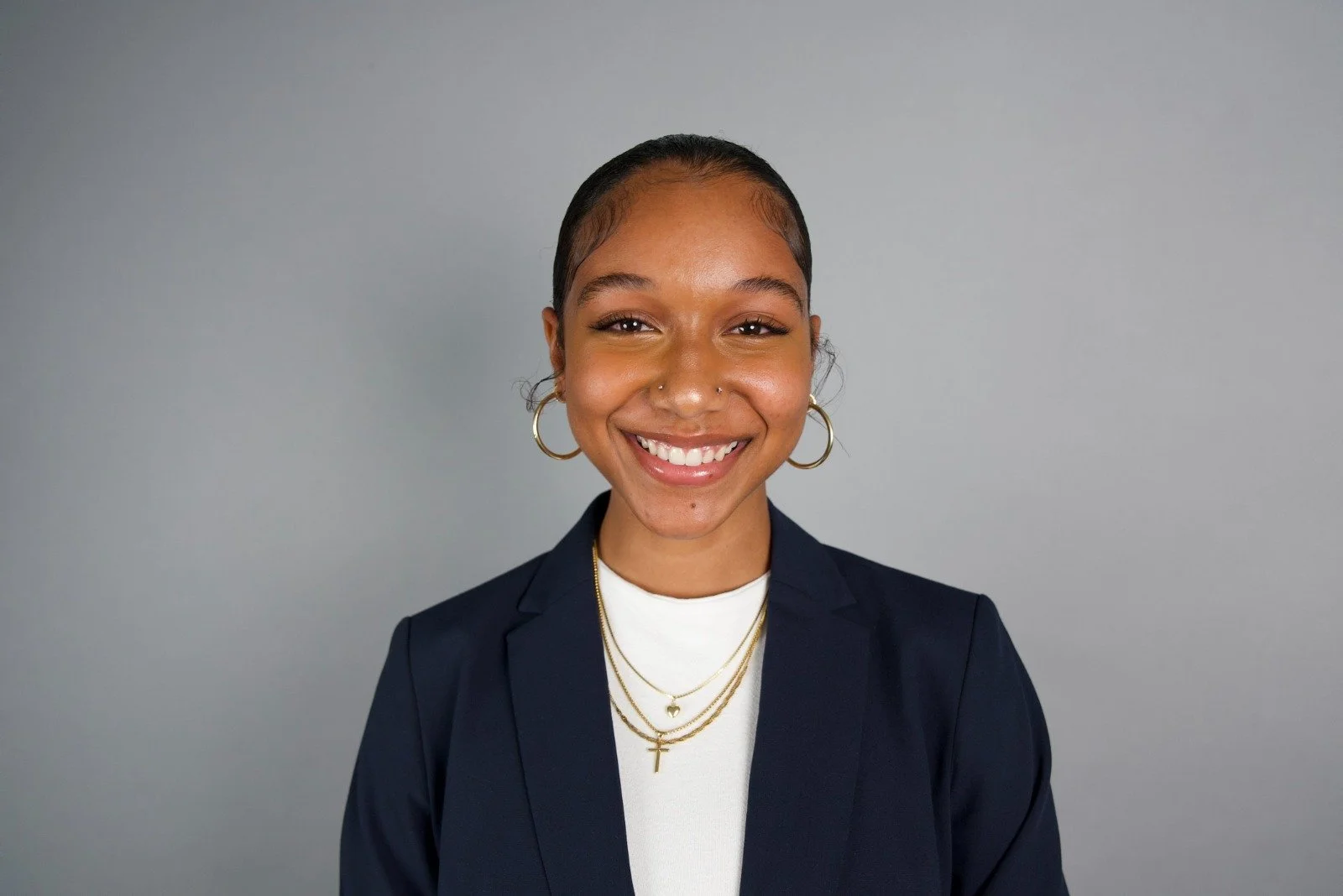








Pronouns: She/Her
Licensure: Social Work Intern
Location: CA, OR, WA, CO,
VA, VT, MA, RI
Languages: English
Accepting New Clients: Limited Availability
Sliding Scale: To be confirmed
Insurance: Cigna of RI; Aetna of RI, CO, CA, VA; Harvard Pilgrim; Tufts; Optum; United; RI Medicaid; Neighborhood Health Plans; BCBS RI & MA; Carelon of RI
About Spencer
I am a MSW Intern devoted to expanding my education and experience. I stepped into this field with a combination of personal experience, curiosity, and a lifelong exposure to therapy. Growing up with an LMFT mother gave me an early understanding into the power of being truly heard and supported. As I moved through my own life, experiences with personal grief deepened my comprehension of how profoundly our experiences can shape the way we see ourselves, our relationships, and the world around us.


Specialties
Addiction
Anxiety
Blended Families
Body Dysmorphia
Bullying/Cyber Bullying
Depression
Gender Identity
Intergenerational Trauma & Healing
LGBQ+ (Sexuality)
Post-Traumatic Stress Disorder (PTSD)
Racial/ Cultural Identity
Relationships and Self-Esteem/Worth/
Compassion

Areas of Focus
Black Liberation, Racial & Cultural Identity
Gender Identity & Access to Gender-Affirming Care (TGNB)
Tweens, Adolescents & Young Adults
Grief, Trauma & Difficult Life Transitions
Family & Intergenerational Patterns
Peer Relationships, Bullying & Belonging
Self-Worth, Body Image & Identity Development

Modalities
Addiction Counseling
Cognitive Behavioral Therapy (CBT)
Cognitive Processing Therapy (CPT)
Compassion Focused
Culturally Responsive/Affirming
Dance/Movement Therapy
Emotionally Focused Therapy (EFT)
Family Systems
Humanistic
Internal Family Systems (IFS)
Mindfulness Based Stress Reduction
Mindfulness Based Therapy (including MBCT)
Motivational Interviewing
Narrative Therapy
Person-Centered Therapy
Positive Psychology
Spiritual Healing Practices
Strength-Based
Trauma Informed Therapy
Yoga

Lived Experience
and Perspective
African American
Cisgender
LGBQ+ Sexuality
Person of Color
Woman or Femme
Why I Do This Work
Therapy was part of my world long before I considered becoming a social worker. Growing up with an LMFT mother meant I saw early on what can happen when someone is given space to speak and actually be listened to. But it was my own experiences with grief, identity, relationships, and change that made that understanding personal.
Those experiences made me curious about the stories people carry beneath what others can see. How grief can change the way we relate to people. How race, culture, gender, sexuality, family, and community can shape what we learn about ourselves. How something that looks like “acting out,” withdrawing, or struggling from the outside may make much more sense once we understand what someone has been living through.
I’m especially interested in working with tweens, adolescents, and young adults because those years can hold SO much at once. You’re figuring out who you are while also receiving messages from family, peers, school, culture, social media, and the larger world about who you are supposed to be.
I came to social work because I wanted to be part of spaces where young people can slow some of that noise down, make sense of their own experiences, and develop a relationship with themselves that feels more like their own.
- Spencer Payton Shanks 
My Approach in Practice

I don’t want to meet someone and immediately decide what their behavior means.
I’d rather understand the world around it.
What has been happening in their family? What have they learned about belonging, safety, race, gender, sexuality, or asking for help? What relationships have shaped them? What has helped them survive something difficult, even if that same strategy is causing problems now?
That context matters to me, particularly when working with young people whose experiences are often interpreted by adults before they have had the chance to describe those experiences themselves.
As an MSW intern, I’m also very intentionally still learning. I’m interested in approaches including person-centered, narrative, family systems, trauma-informed, culturally responsive, compassion-focused, mindfulness, and movement-based work, but I don’t want to force someone’s life into whichever framework I happen to be studying.
I want the relationship to come first.
That means listening closely, being curious about the identities and communities that matter to you, and paying attention to the strengths you already bring into the room. My role is not to become the expert on your life. I want us to understand together what has shaped you, what you want to hold onto, what may no longer be serving you, and what becoming more fully yourself could look like on your own terms.
What Clients Often Come to Me For
People often reach out when life feels heavy, layered, or difficult to put into words.
Identity and Belonging
Exploring racial, cultural, gender, and sexual identity, including the experience of figuring out where and with whom you feel most yourself.
Anxiety, Depression & Self-Worth
When worry, low mood, comparison, body image, or self-doubt start shaping how you see yourself and move through everyday life.
Trauma, Grief & Life Experiences
Making space for experiences that continue to affect the present, including grief, PTSD, difficult transitions, and experiences that have changed how safe the world feels.
Family & Intergenerational Patterns
Navigating blended families, family expectations, inherited patterns, cultural dynamics, and the complicated mix of love, conflict, responsibility, and history families can carry.
Relationships, Friendship & Peer Life
Working through bullying or cyberbullying, changing friendships, dating and relationships, conflict, boundaries, and the social pressures that can become especially intense during adolescence and young adulthood.
Substance Use & Ways of Coping
Exploring substance use and other coping strategies with curiosity about what they have been helping someone survive, manage, avoid, or get through, while building additional ways of caring for themselves.
Our work focuses on making sense of what you have lived through while supporting you in building clarity, resilience, and self-trust in ways that fit your life and values.