Shannon Kang
Liberation-Focused Therapy for Queer, Trans,
Neurodivergent & Immigrant Adults in Massachusetts
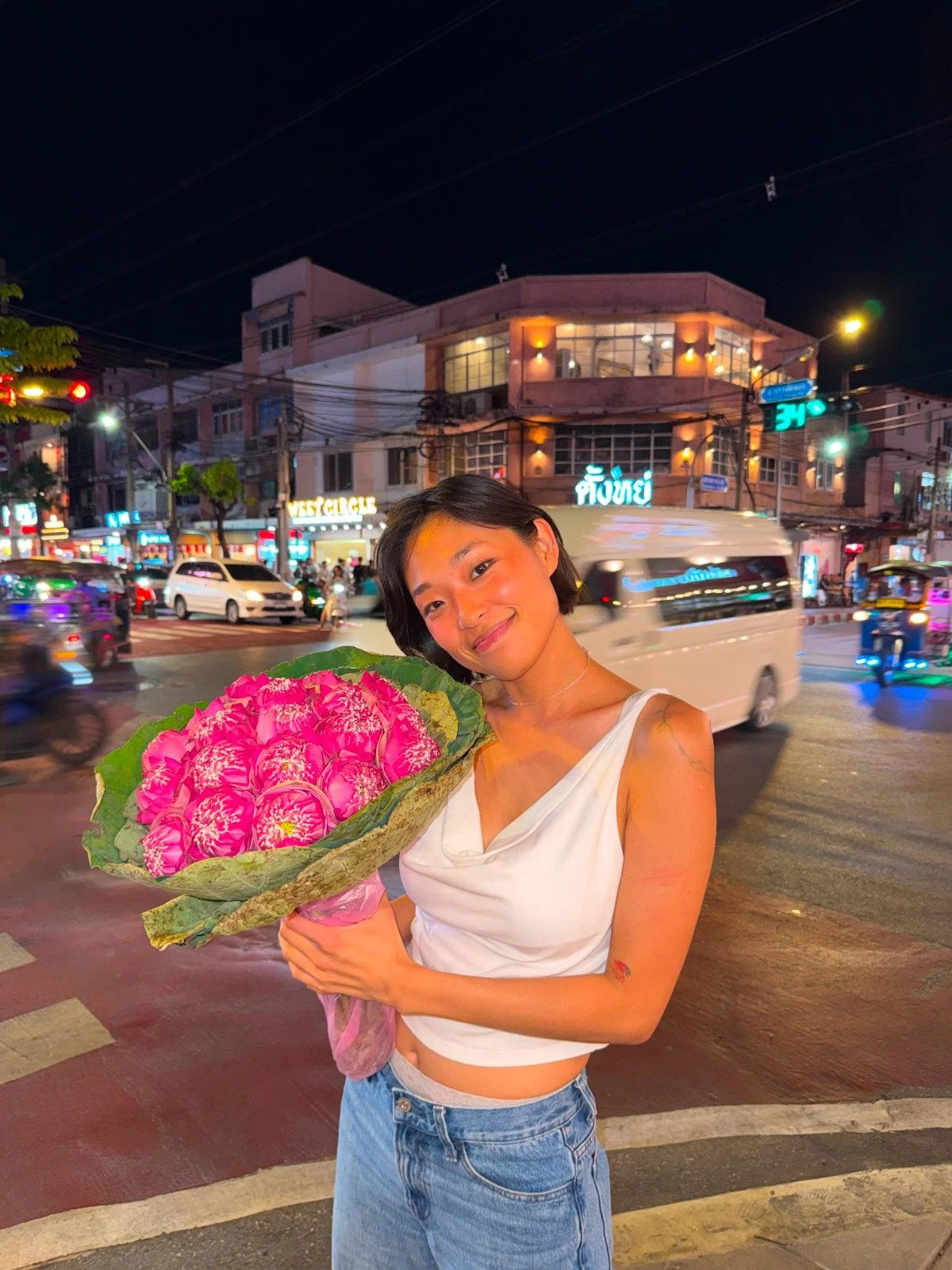








Pronouns: She/Her/Hers
Licensure: MA
Location: MA Telehealth
Languages: English and Chinese Mandarin
Accepting New Clients: Yes
Sliding Scale: Yes
Insurance: BCBS, Aetna, Tufts, Cigna, MassHealth, and UHC
“I offer decolonizing, identity-affirming care where we can gently explore how culture, systems, and self shape your story, making room for your full humanity.”
About Shannon
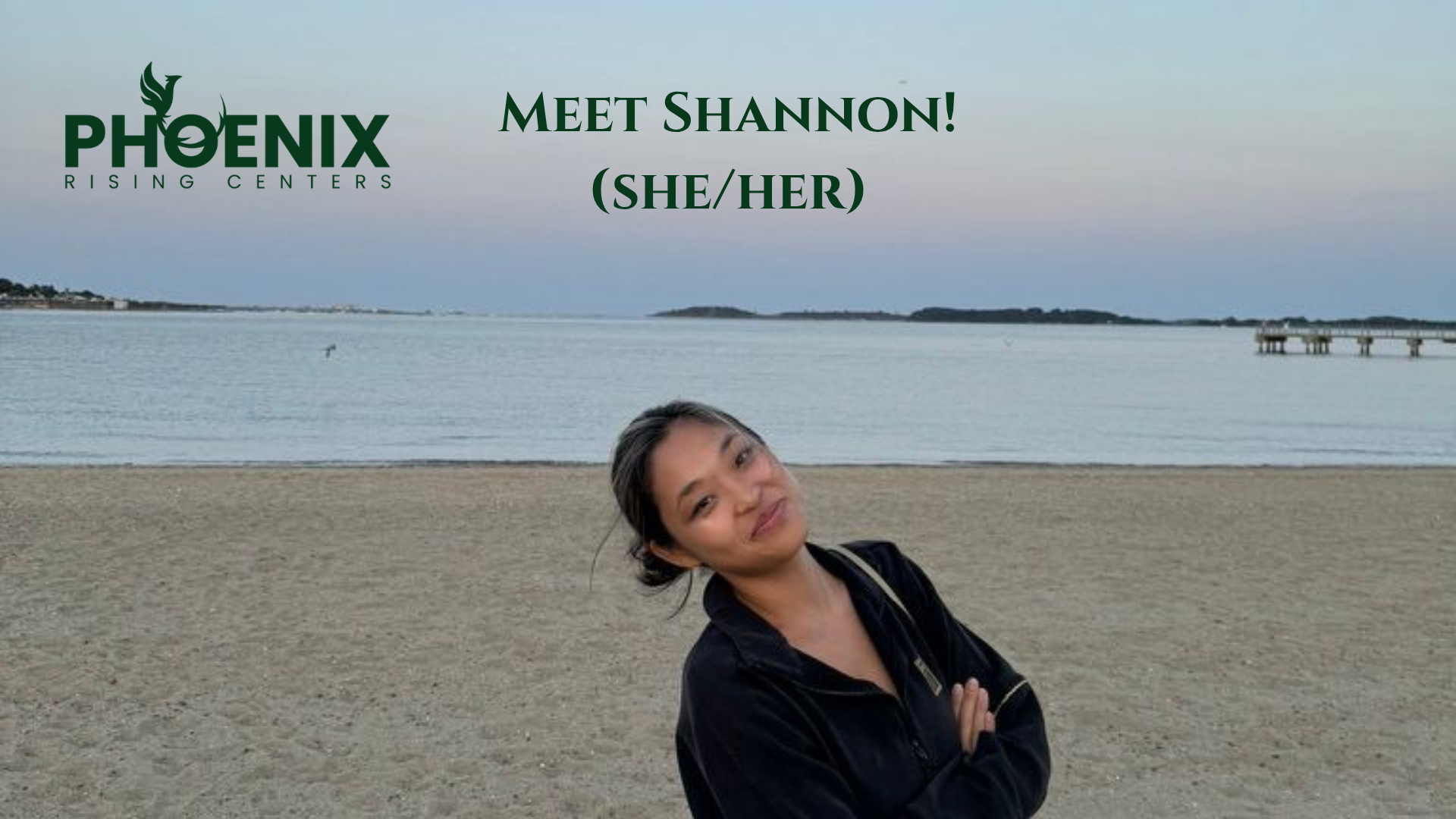
My name is Shannon Kang (She/Her), and I am a queer Taiwanese American woman, a veteran, and a survivor of institutional harm. My time in the military left me with both visible and invisible injuries, and I now identify as disabled and neurodivergent. These lived experiences have deeply shaped how I move through the world and how I approach care, advocacy, and collective healing. I’ve come to understand liberation as something not just political, but relational, rooted in how we honour grief, hold space, and disrupt harm within and across our communities. At the same time, I recognise that I hold privilege as a cis East Asian woman who is not Black or Brown, and I remain committed to ongoing unlearning and accountability in spaces where colourism, anti-Blackness, and settler complicity often go unnamed. I am drawn to this collective because it centres the intersectional wisdom of QTBIPOC lives, and because I believe liberation is not something we imagine alone; it is something we practice together.

Specialties
Individuals Navigating Life Transitions
Veterans & Military-Connected Individuals
Third Culture Kids
Pastor’s Kids
Missionary Kids
Military Kids
Immigrants
First-Generation and Second-Generation Individuals
College Students & International Students
Young Professionals
Activists & Community Organizers
Sex Workers

Areas of Focus
Abolitionism
Decolonization
Decoloniality
Disability Justice
Gender-Affirming Care Knowledgable (TGNB)
Immigrant Rights/ Immigration Justice
Military
Veterans
Neurodivergence Justice
Sex Positive
Sex Worker Ally
Therapist or Coach for Activists Therapist
Transgender Justice

Modalities
Cognitive Behavioral Therapy (CBT)
Compassion Focused
Dialectical Behavioral Therapy(DBT)
Existential Therapy
Humanistic
Motivational Interviewing
Narrative Therapy
Solution Focused Brief (SFBT)
Strength-Based
Post-Modern
Lived Experience
and Perspective
Disabled Person/Person with Disability or Living with Chronic Pain/Illness
Queer
Migrant/ Immigrant/ Child of Immigrants
Neurodivergent Person
Person of Color
Asian
Third Culture Kid
Woman or Femme
Why I Do This Work
I’m drawn to working with those who feel caught between worlds, whether due to culture, identity, profession, or values. I especially support people navigating life transitions, cultural dislocation, moral injury, or systems that weren’t built with them in mind. My experiences as a veteran, a third culture kid, and someone who’s had to question the very structures that raised me deeply inform my work. My story led me to care deeply about power, culture, and healing, and I bring that lens into every session. I bring curiosity, compassion, and a justice-oriented lens into the room because therapy should make space for all of who you are, not just the parts that feel “presentable.” You don’t have to water yourself down here. This is a space for your full, messy, beautiful self.
- Shannon Kang 
My Approach in Practice
I think of therapy as a space where we get curious together about how you became who you are and what has shaped the ways you move through the world. Rather than assuming that every struggle lives inside of you, we might look at your relationships, family, culture, identities, communities, and the systems you have had to navigate. Sometimes the things we call “symptoms” are also ways you learned to survive, protect yourself, or make it through environments that asked too much of you. My role is not to sit across from you as the expert on your life or tell you the “right” way to heal. You bring expertise about your own lived experience, and I bring questions, perspective, care, and tools that we can use together. We might unpack the stories you have inherited about who you are supposed to be, make space for grief and anger that have been labeled inconvenient, build practical skills when they are genuinely useful, and explore what you actually want when you are not organizing your life around survival or other people’s expectations. Therapy with me can be serious, messy, funny, uncomfortable, and deeply human. Ultimately, I hope it becomes a place where you have more freedom to question what you have been taught, understand yourself with greater compassion, and decide for yourself what healing and a meaningful life look like.
What Clients Often Come to Me For
People often reach out when life feels heavy, layered, or difficult to put into words.
Third Culture Kids, Immigrants & Cultural Identity
For people who have spent their lives moving between cultures, languages, identities, or communities without always feeling like they fully belong in any of them. Together, we'll explore questions of home, belonging, identity, and how culture has shaped the stories you carry about yourself.
Veterans, Military Families & Moral Injury
For those carrying the invisible impact of military service, institutional harm, or experiences that challenged what you believed was right. Together, we'll make space for grief, anger, betrayal, and the parts of yourself shaped by systems built around survival rather than care.
Activists, Community Organizers & Collective Burnout
When you've spent years caring for your community, advocating for others, or holding systems accountable, it's easy to lose touch with your own needs. Together, we'll explore sustainable ways of engaging in the work you care about without sacrificing your wellbeing, relationships, or capacity to keep showing up.
Queer, Trans, Neurodivergent & Disabled Adults
You shouldn't have to translate, mask, or justify who you are before feeling understood. Therapy becomes a space where your identities aren't treated as problems to solve, but as important parts of your lived experience that deserve curiosity, dignity, and care.
People Healing from Institutional Harm
Many people arrive carrying expectations they never consciously chose about success, family, gender, productivity, or who they're supposed to become. Together, we'll gently examine those inherited stories, making room for grief, curiosity, and the possibility of creating a life that reflects your own values rather than simply surviving someone else's expectations.
Exploring Life Beyond Survival
Sometimes the systems that were meant to protect, educate, support, or guide us become the source of our deepest wounds. Whether that happened in schools, religious communities, healthcare, the military, workplaces, or other institutions, we'll make space to understand what happened and imagine new ways of relating to yourself beyond those experiences.
Clients can expect unconditional acceptance, sincere support, and occasionally
a little tough love.