
PROVISIONALLY LICENSED CLINICAL SOCIAL WORKER
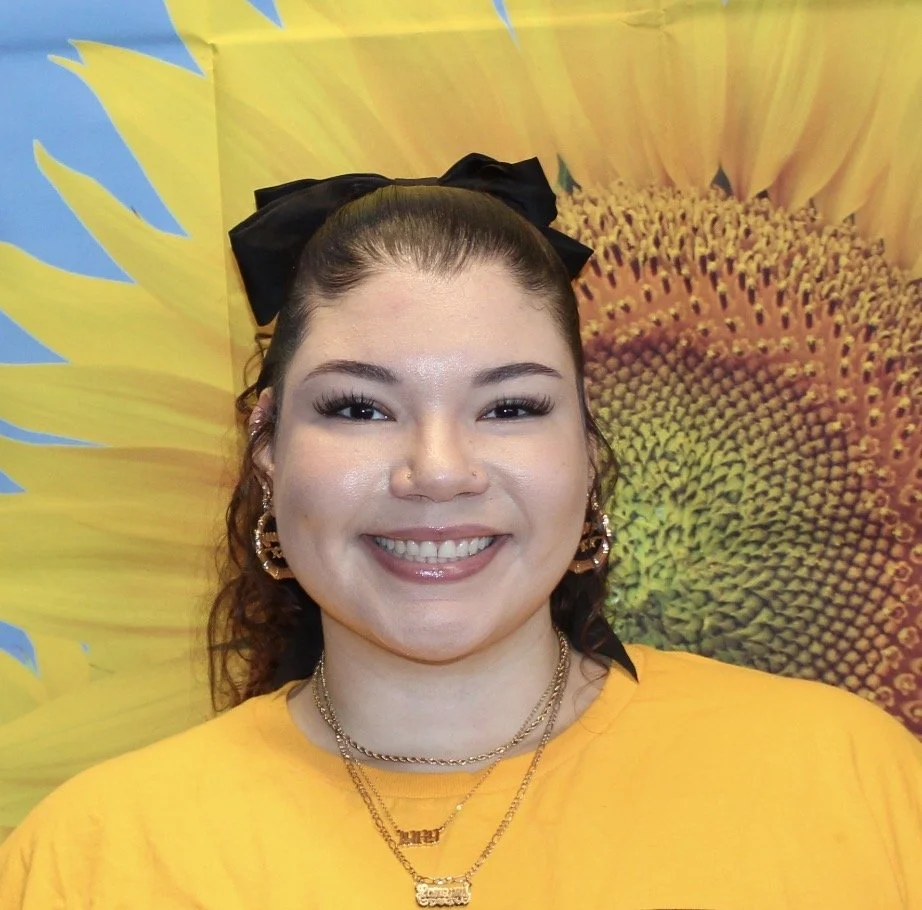
Ana Gonzalez Guzman
Neurodivergence, Trauma, Anxiety, Depression, Immigration, Cultural Identity, and LGBTQ+ Affirming Care
- Pronouns:
- She/Her/Ella
- Location:
- Massachusetts
- Licensure:
- Provisionally Licensed Clinical Social Worker
- Languages:
- English & Spanish
- Accepting New Clients:
- Yes
- Sliding Scale:
- Yes
- Insurance:
- To be confirmed
About Ana
Hello, I’m Ana Gonzalez Guzman (she/ella), a Dominican clinician offering telehealth across Massachusetts.

Who I work with
I work with children, teens, and adults, supporting neurodivergent clients and people navigating ADHD, anxiety, depression, and trauma.
Culture, identity & language
My approach is trauma-informed, culturally responsive, and grounded in the realities of migration, racism, language, and class.
I am bicultural and LGBTQIA+ affirming, and provide care in English and Spanish.
Space to slow down
I offer a space to release the weight of work stress, caretaking, or the quiet exhaustion of code-switching.
Together, we’ll slow down, notice what is happening in your body, home, and community, and build routines for regulation, rest, focus, and steadiness while honoring culture, family, and faith.
Therapy as a collaboration
I see therapy as a collaboration where you are the expert on your life, and I offer support, reflection, and care.
You do not need the right words or a script.
Together we create language and grounding so you can feel open, safe, and accompanied, with space to explore your story at a pace that feels steady and true.
Specialties & approach
Swipe to explore. Open a card’s list to read more.
4 cards

Specialties
Neurodivergence, trauma, anxiety and the realities that shape daily life.
View 20 specialties Close list
- Neurodivergence
- Trauma/PTSD
- Anxiety
- Depression
- Socioeconomic Inequity
- Grief and loss
- LGBTQ+
- Immigration
- Food Relationship
- Cultural Resistance within Systemic Oppression
- Self-Image/Body Dysmorphia
- Political & Climate Stress
- Relationships
- Homelessness
- Substance Use
- Body Acceptance/Positivity
- Intercultural or Interfaith Relationships
- Intergenerational Trauma & Healing
- Burnout
- Life Transitions/Changes

Areas of Focus
Care grounded in justice, advocacy and your strengths.
View 7 areas of focus Close list
- Justice and liberation of marginalized and oppressed groups/people
- Advocacy
- Centering client strengths
- Decolonization
- Trauma and healing
- Activism
- Identity-affirming

Modalities
A flexible mix of trauma-informed and affirming approaches.
View 16 modalities Close list
- Trauma-Informed Therapy
- Acceptance and Commitment Therapy (ACT)
- Narrative Therapy
- Strengths-Based Therapy
- Client-Centered Therapy
- Mindfulness and Meditation
- Motivational Interviewing
- CBT
- DBT
- Internal Family Systems (IFS)
- Feminist Therapy
- Neurodivergent-Affirming Therapy
- Yoga
- Art Therapy
- Humanistic Therapy
- Breathwork

Lived Experience and Perspective
Perspectives shaped by culture, identity and lived experience.
View 9 perspectives Close list
- Latina, Dominican
- Immigrant
- Low-Income
- First-Generation College Student
- LGBTQ+
- Biracial
- Neurodivergent Person
- Woman
- Spiritual
Why I Do This Work
“I know how much it can take to keep moving through systems that were not built with all of you in mind.”

Read my full statement Close full statement
I do this work because distress does not happen outside of culture, family, migration, language, class, racism, gender, sexuality, or the expectations we learn to carry.
As a Dominican, immigrant, bilingual, neurodivergent clinician, I know there can be a particular exhaustion in constantly translating yourself, code-switching, caring for others, or trying to function inside systems that ask you to leave parts of yourself at the door.
Therapy, for me, is a place where we do not have to separate those pieces. We can make room for what happened to you, what is happening around you, and the strengths, relationships, culture, faith, and resistance that have helped you survive.
My Approach in Practice
Therapy is something we build together, with space for your whole self and the life you’re living.
We build therapy together
You know your life, body, relationships, family and communities best. I help make space for what you already know, what you are figuring out, and what you may have set aside just to get through.
Your whole life belongs here
We pay attention to both your body and the world around you. Family, migration, language, racism, class, gender, sexuality, disability, work, faith and community are part of the story, not just background to therapy.
Curiosity before judgment
Before deciding a pattern needs to change, we explore how it helped you stay safe, belong, care for others or survive. We can be curious about those responses without treating you as the problem.
An approach that fits you
I draw from different approaches and adapt our work to your nervous system, culture, relationships and everyday life. Finding what fits you matters more than following one fixed method.
- Narrative Therapy
- ACT
- IFS
- Feminist therapy
- Mindfulness
- CBT & DBT
- Art
- Yoga
- Breathwork
Trauma-informed and neurodivergent-affirming care.
More connection. More choice.
What Clients Often Come to Me For
People often reach out when life feels heavy, layered, or difficult to put into words.
When You’re Tired of Translating Yourself
Maybe you move between languages, cultures, family expectations, professional spaces, or different versions of yourself depending on who is in the room.
You may be carrying immigration stress, first-generation pressure, racism, class differences, code-switching, or the feeling that people understand one part of you but not the whole picture.
Therapy can be a place where you do not have to explain every cultural reference before we can talk about what it means to you.
Neurodivergence, Burnout & Trying to Keep Up
You may have spent years being called lazy, disorganized, too sensitive, inconsistent, or “too much,” when your brain and nervous system were actually working very hard to adapt.
We can explore ADHD, sensory overwhelm, masking, shutdown, executive functioning, burnout, shame, and the pressure to perform normally in environments that may not fit how you function.
The goal is not to make you better at hiding your needs. It is to understand them and build ways of living that are more sustainable.
Trauma That Lives in More Than One Place
Trauma can live in the body, but it can also live in families, relationships, migration histories, institutions, communities, and the ways you learned to survive.
Maybe you are carrying grief, relationship harm, instability, discrimination, homelessness, substance use, political or climate stress, or experiences that do not fit neatly into one diagnostic label.
We can work with what happened without separating it from the conditions around it, while building more room for safety, choice, rest, and connection.