
LICENSED CLINICAL SOCIAL WORKER · FOUNDER OF PHOENIX RISING CENTERS
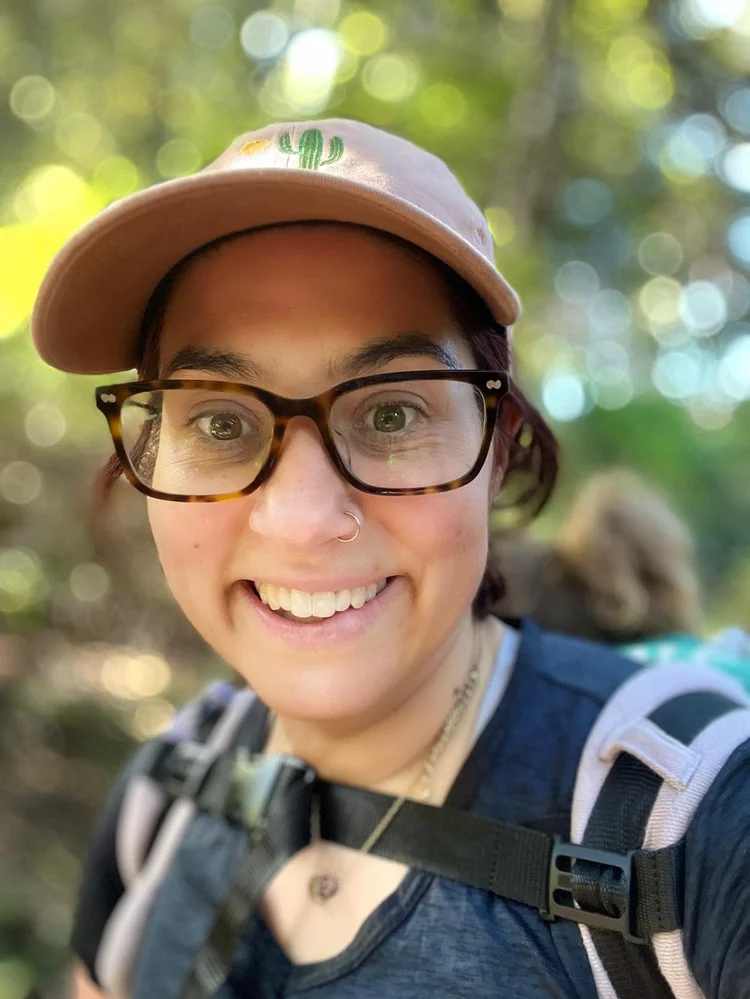
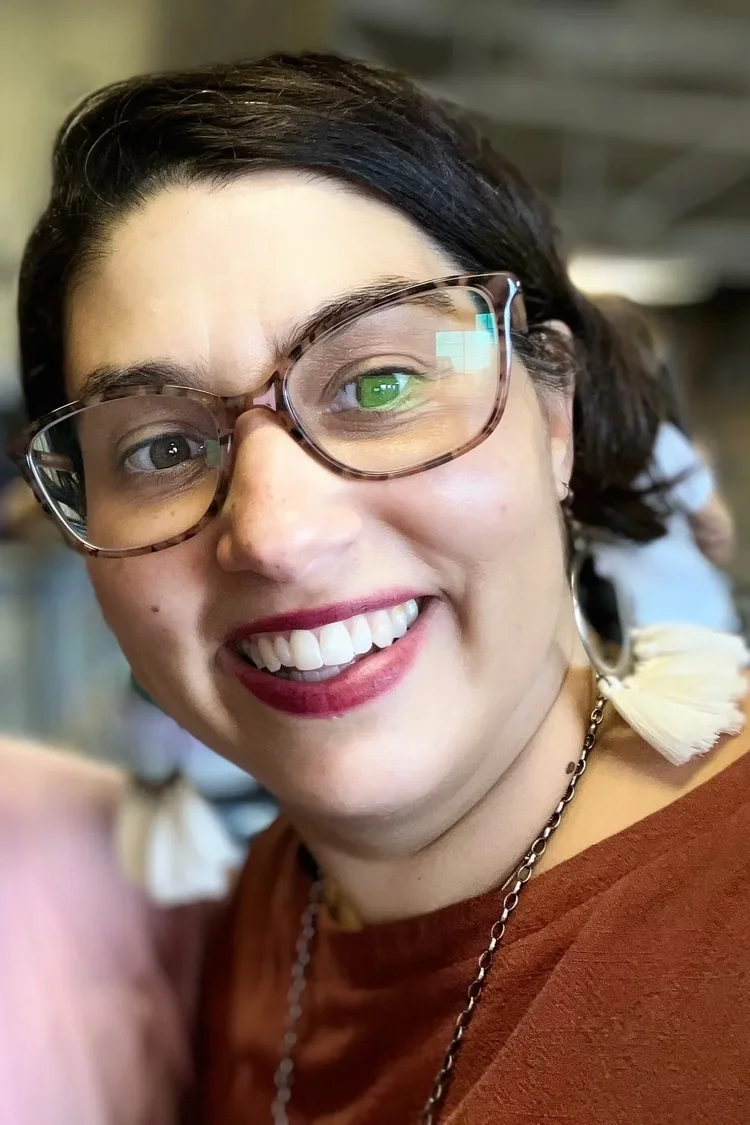
Madrone Phoenix
EMDR Therapist, Community Healer & Liberation-Focused Mental Health Practitioner
- Pronouns:
- She/They
- Licensure:
- LICSW
- Location:
- Rhode Island, Massachusetts, Virginia & New Mexico
- Languages:
- English
- Accepting New Clients:
- Limited Availability
- Sliding Scale:
- Limited Spots Available
- Insurance:
- Aetna RI & ma, Harvard Pilgrim, Tufts, Optum, UHC, RI Medicaid, BCBS RI & MA, Neighborhood Health Plans, Carelon.
About Madrone
My path into this work began long before I became a therapist.
My path into this work
For more than two decades, I have worked alongside people navigating trauma, displacement, incarceration, violence, migration, poverty, and systemic oppression. My work has taken me into schools, prisons, refugee and asylum communities, grassroots organizations, and communities recovering from collective and historical trauma.
Before becoming a clinical social worker, I studied peacebuilding and conflict transformation, including work with communities impacted by genocide, war, human trafficking, and political violence. These experiences fundamentally shaped how I understand healing. They taught me that suffering does not happen in isolation. It is often connected to systems, histories, relationships, and the conditions people are asked to survive.
Leading Phoenix Rising Centers
Today, I serve as Founder and CEO of Phoenix Rising Centers, a liberation-centered mental health organization supporting hundreds of individuals and families across the United States. Alongside my leadership work, I continue to provide therapy because staying connected to people and their stories remains at the heart of why I do this work.
My clinical practice & approach
My clinical practice specializes in trauma, complex PTSD, identity-based stress, burnout, grief, and the impacts of systemic oppression. I am particularly passionate about supporting LGBTQIA+ communities, BIPOC clients, organizers, advocates, caregivers, helping professionals, and people who have spent much of their lives carrying responsibility for others.
My approach is grounded in EMDR, trauma-informed care, relational therapy, mindfulness, and liberation-focused frameworks. I am less interested in asking what is wrong with someone and more interested in understanding what happened to them, what helped them survive, and what healing might look like on their own terms.
Community care & human rights
I have also spent years conducting forensic evaluations for asylum seekers through Physicians for Human Rights, supporting individuals fleeing persecution, violence, and human rights abuses. This work continues to deepen my commitment to dignity, justice, and access to healing.
Outside of therapy, I remain deeply committed to community care, social justice, and building systems that allow people not only to survive, but to thrive.
I do not believe healing is about becoming easier for the world to consume.
I believe healing is about reclaiming our humanity, our agency, and our capacity to imagine lives beyond survival.
Specialties & approach
Swipe or scroll to explore all five cards.
5 cards

Specialties
- EMDR Therapy
- Complex Trauma & PTSD
- Racialized & Identity-Based Trauma
- Queer & Trans Affirming Therapy
- Community & Movement Leader Burnout
- Intergenerational Trauma
- Anxiety, Depression & Chronic Stress
- Liberation-Focused Mental Health Care

Areas of Focus
- Navigating systemic oppression and minority stress
- Healing from trauma, violence, and chronic survival states
- Burnout among caregivers, advocates, organizers, and helping professionals
- Identity exploration across race, gender, sexuality, and culture
- Boundaries, rest, and sustainable community care
- Grief, loss, and collective trauma
- Rebuilding trust in self, body, and relationships

Modalities
- Eye Movement Desensitization and Reprocessing (EMDR)
- Trauma-Informed Therapy
- Liberation Psychology
- Narrative Therapy
- Relational Therapy
- Somatic & Body-Based Approaches
- Strengths-Based Therapy
- Cognitive Behavioral Therapy (CBT)
- Mindfulness-Based Practices
- Somatic Psychotherapy
- Accelerated Experiential Dynamic Psychotherapy (AEDP)
- Internal Family Systems (IFS)

Lived Experience and Perspective
- Founder of a liberation-centered mental health organization serving 500+ clients across the U.S.
- Works closely with Black, Brown, queer, trans, and historically marginalized communities
- Experienced in supporting organizers, advocates, caregivers, and social justice leaders
- Brings an understanding of how systems, power, identity, and community shape mental health
- Believes healing is both personal and collective

Beyond Individual Healing
- Healing from trauma and chronic survival
- Navigating systems that were not built with you in mind
- Reclaiming identity, voice, and agency
- Building sustainable relationships with rest, boundaries, and community
- Processing grief, anger, and collective loss
- Creating lives that are larger than survival
Why I Do This Work
"I don't believe healing is about becoming more productive or easier for the world to consume.
I believe healing is about reclaiming the parts of ourselves that survival demanded we abandon.
Read my full statement Close full statement
We live inside systems shaped by colonialism, white supremacy, capitalism, and other forms of domination that teach us our worth is measured by productivity, compliance, sacrifice, and endless extraction.
Many of us learn to survive by disconnecting from our bodies, our needs, our grief, our anger, and our limits.
But liberation has never been built through burnout.
It is built through reflection, repair, accountability, community, and our willingness to imagine different ways of living together.
Every time someone heals a wound, sets a boundary, grieves what was lost, or imagines a future beyond survival, something shifts.
Not only for them, but for everyone whose life touches theirs.
I believe healing is one of the ways we practice freedom and build a more livable world together."
My Approach in Practice
I approach therapy with curiosity, honesty, and a deep respect for the realities people are navigating.
Understanding your experience
Over the years, I have worked with people carrying trauma, grief, displacement, burnout, violence, discrimination, and the lasting impacts of systems that were never designed with their wellbeing in mind. Those experiences have taught me that most suffering does not happen in isolation.
The challenges people bring into therapy are often connected to relationships, histories, communities, and the conditions they have had to survive.
Making space for healing
Together, we make space for both what hurts and what sustains. We explore the stories your body carries, the strengths that helped you survive, and the possibilities that may have become difficult to imagine along the way.
How we work together
My work often includes EMDR and trauma-focused therapy, but healing is never reduced to a technique. Therapy is not about fixing you. It is about helping you better understand yourself, reconnect with your values, and move toward the life you want to build.
I don't believe healing means becoming more productive, more compliant, or easier for the world to consume.
I believe healing means having more choice, more connection, and more freedom to live beyond survival.
What Clients Often Come to Me For
People often reach out when life feels heavy, layered, or difficult to put into words.
Surviving systems that were never built for them
Whether that means racism, transphobia, ableism, poverty, family rejection, or simply spending years adapting to environments that required constant self-protection.
Feeling stuck despite years of therapy
When you understand your story intellectually but your body is still carrying the impact.
Leadership, activism, and helping-professional burnout
Holding communities, movements, organizations, or families while quietly running out of room for yourself.
Queer and trans identity exploration
Making space for authenticity, possibility, joy, and self-definition beyond survival.
Religious trauma and inherited shame
Separating your voice from the voices that taught you who you were supposed to be.
Building a life that feels worth staying present for
Not just reducing symptoms, but reconnecting with purpose, community, pleasure, and belonging.