

Disability & Chronic Illness Therapy
Therapy That Takes Disability, Access, Fatigue, and Survival Seriously
Living with disability or chronic illness can reshape nearly every part of life.
Energy | Relationships | Work | Safety | Housing | Medical systems | Trust in your own body
Many people navigating chronic illness, disability, neurodivergence, chronic pain, autoimmune conditions, medical trauma, mobility changes, sensory sensitivity, or long-term fatigue spend years being dismissed, disbelieved, over-medicalized, or treated as problems to manage rather than people deserving care.
At Phoenix Rising Centers, we approach therapy with the understanding that distress does not exist in isolation from systems.


Disability is not simply an individual issue.
It is shaped by:
ableism
economic precarity
inaccessible environments
racism and environmental harm
medical neglect
anti-fatness
transphobia
immigration systems
chronic stress and survival conditions
We work with disabled and chronically ill clients from an affirming, trauma-informed, liberation-oriented perspective that takes access, interdependence, and bodily realities seriously.
This is not therapy focused on “pushing through,” toxic positivity, or forcing productivity.
It is care that makes room for limitation, grief, adaptation, rest, anger, uncertainty, and survival.
What We Support
Our therapists support clients navigating:
chronic illness
chronic pain
autoimmune conditions
disability identity and adjustment
medical trauma
fatigue and burnout
Long COVID
mobility changes
sensory overwhelm
grief related to body changes or loss of function
inaccessible family, work, or school environments
shame around dependence or needing support
survival stress connected to capitalism and productivity culture
isolation and relationship strain
disability-related anxiety and depression
navigating healthcare systems
queer and trans experiences within medical systems
We also recognise that many disabled and chronically ill people have survived environments where their needs were minimised, mocked, ignored, or treated as burdens.
Therapy can become one place where your reality does not need to be defended first.
-
Access is part of care.
We understand that disability and chronic illness may affect:
scheduling
communication
sensory needs
pacing
memory and processing
energy fluctuations
attendance consistency
camera use during telehealth
emotional capacity
We work collaboratively rather than punitively.
-
Many disabled and chronically ill people are pressured to measure worth through productivity.
This can create:
shame
self-surveillance
burnout
masking
chronic guilt
fear around rest and dependence
Our work does not assume healing means returning to constant output.
Instead, we explore sustainability, dignity, support systems, boundaries, and ways of living that reduce harm.
-
Many clients come to therapy after years of:
being dismissed by providers
delayed diagnosis
medical gaslighting
racialized medical neglect
anti-fat bias
transphobic healthcare experiences
coercive treatment systems
institutional trauma
These experiences can deeply affect trust, safety, and the nervous system.
Therapy may involve rebuilding trust in your own perceptions and learning to respond to your body with less fear, shame, or hypervigilance.
-
Many mental health systems frame distress as entirely internal.
But disability and chronic illness are also shaped by:
inaccessible infrastructure
poverty and labor systems
family expectations
housing instability
racism and environmental injustice
colonial ideas about productivity and “normalcy”
We do not believe therapy should ignore these realities.
Our work remains grounded in the understanding that people adapt to systems as much as systems shape people.
Our Approach to Disability & Chronic Illness
Anti-Colonial &
Liberation-Oriented Care
At Phoenix Rising Centers, we understand that many dominant ideas about health, productivity, independence, and worth have been shaped by colonial and capitalist systems.
Disabled people, chronically ill people, neurodivergent people, fat people, queer and trans people, and people of color are often pressured to become more compliant, productive, legible, or “high functioning” in order to receive care or dignity.
We reject approaches that reduce people to diagnoses, compliance, or output.
Our work is grounded in:
disability justice
interdependence
bodily autonomy
anti-oppressive care
consent and collaboration
community and relational support
sustainability over productivity
We believe people deserve care even when they are not “improving” in ways systems reward.
Therapy for Disabled, Chronically Ill, Queer & Neurodivergent Communities
Many disabled and chronically ill people also navigate:
queerness or trans identity
neurodivergence
racialized stress
religious trauma
migration and displacement
poverty
caregiving responsibilities
community violence
These experiences overlap.
Our therapists understand that identity, survival, health, and systems cannot always be separated cleanly.
We aim to provide care that recognises complexity rather than flattening it.
You Deserve Care That Understands Survival
Living with disability or chronic illness can be exhausting in ways that are not always visible.
You should not have to prove your pain, justify your limits, or perform productivity in order to deserve support.
We aim to provide therapy that makes room for your body, your reality, and the systems surrounding your life.
Therapists Who Support Disability & Chronic Illness Communities
Many disabled and chronically ill clients are also navigating neurodivergence, medical trauma, queerness, burnout, caregiving, systemic oppression, or long-term survival stress.
These therapists approach care from trauma-informed, disability-aware, anti-oppressive, and liberation-oriented perspectives.
-
![]()
Natashia Bobbit
THERAPIST FOR BLACK, QUEER & NEURODIVERGENT COMMUNITIES NAVIGATING IDENTITY, TRAUMA & SYSTEMIC HARM
Natashia supports clients navigating chronic stress, ADHD, neurodivergence, caregiving strain, trauma, grief, identity-based harm, and systemic oppression. Her work blends somatic, narrative, culturally responsive, and trauma-informed approaches with deep attention to lived experience, relational safety, and nervous system awareness.
Areas of Focus:ADHD & neurodivergence
trauma & systemic oppression
caregiving stress & burnout
cultural identity & intergenerational harm
somatic and narrative approaches
grief, survival stress & emotional overwhelm
-
![]()
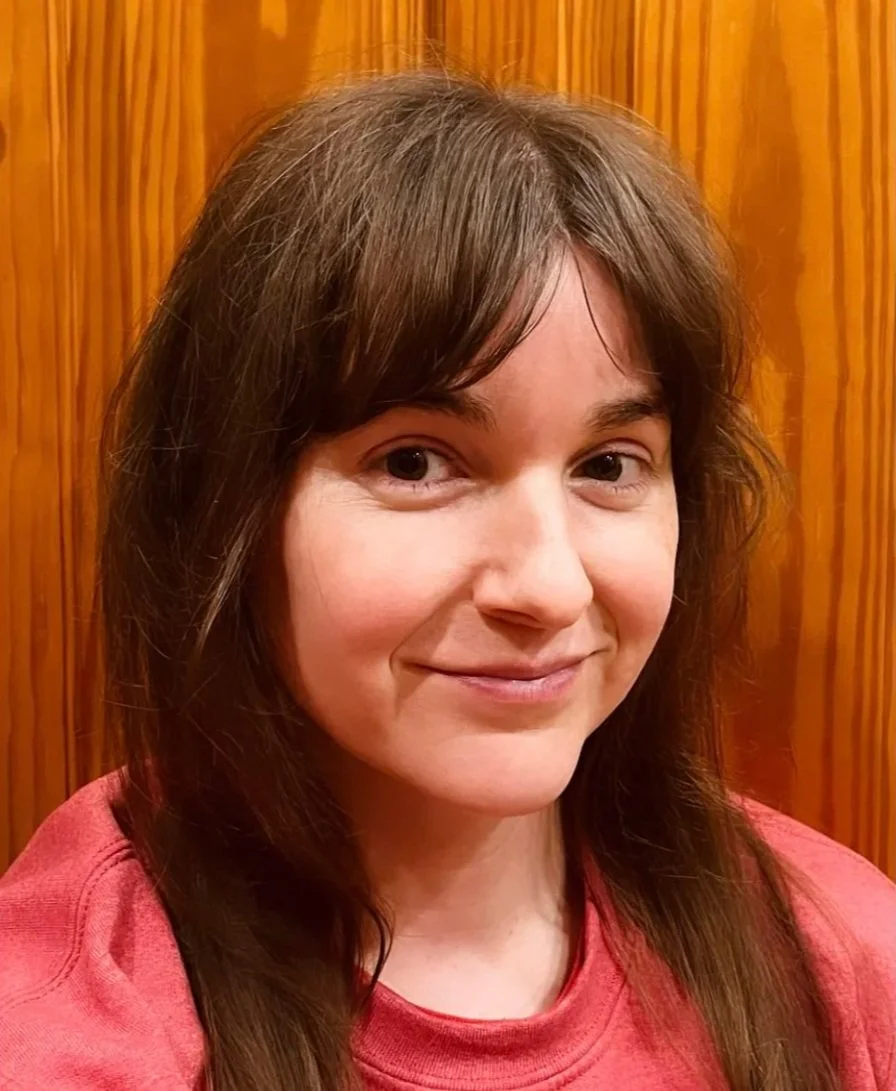
Beni Choiniere
QUEER, NEURODIVERGENT & DISABILITY-INFORMED THERAPIST
Beni works with clients navigating chronic illness, disability, medical trauma, burnout, masking, identity shifts, neurodivergence, grief, and long-term survival patterns. Their approach is grounded in narrative, relational, trauma-informed, and liberation-oriented care that recognises how systems, culture, and lived experience shape emotional wellbeing. fileciteturn6file2Areas of Focus:
chronic illness & disability
medical trauma
autism & ADHD
burnout & masking
gender identity & life transitions
trauma, grief & dissociation
narrative and relational therapy
-
![]()
Eben
GENDER-AFFIRMING THERAPIST FOR QUEER, TRANS & DISABLED COMMUNITIES
Eben supports queer, trans, chronically ill, and neurodivergent clients navigating trauma, emotional overwhelm, life transitions, substance use, identity exploration, and complex survival stress. His approach integrates harm reduction, trauma-informed care, feminist therapy, and collaborative practical support.
Areas of Focus:chronic illness & survival stress
trauma & emotional overwhelm
harm reduction
trans & queer identity
substance use & recovery
practical support for complex mental health experiences
collaborative and person-centered therapy
-
![]()
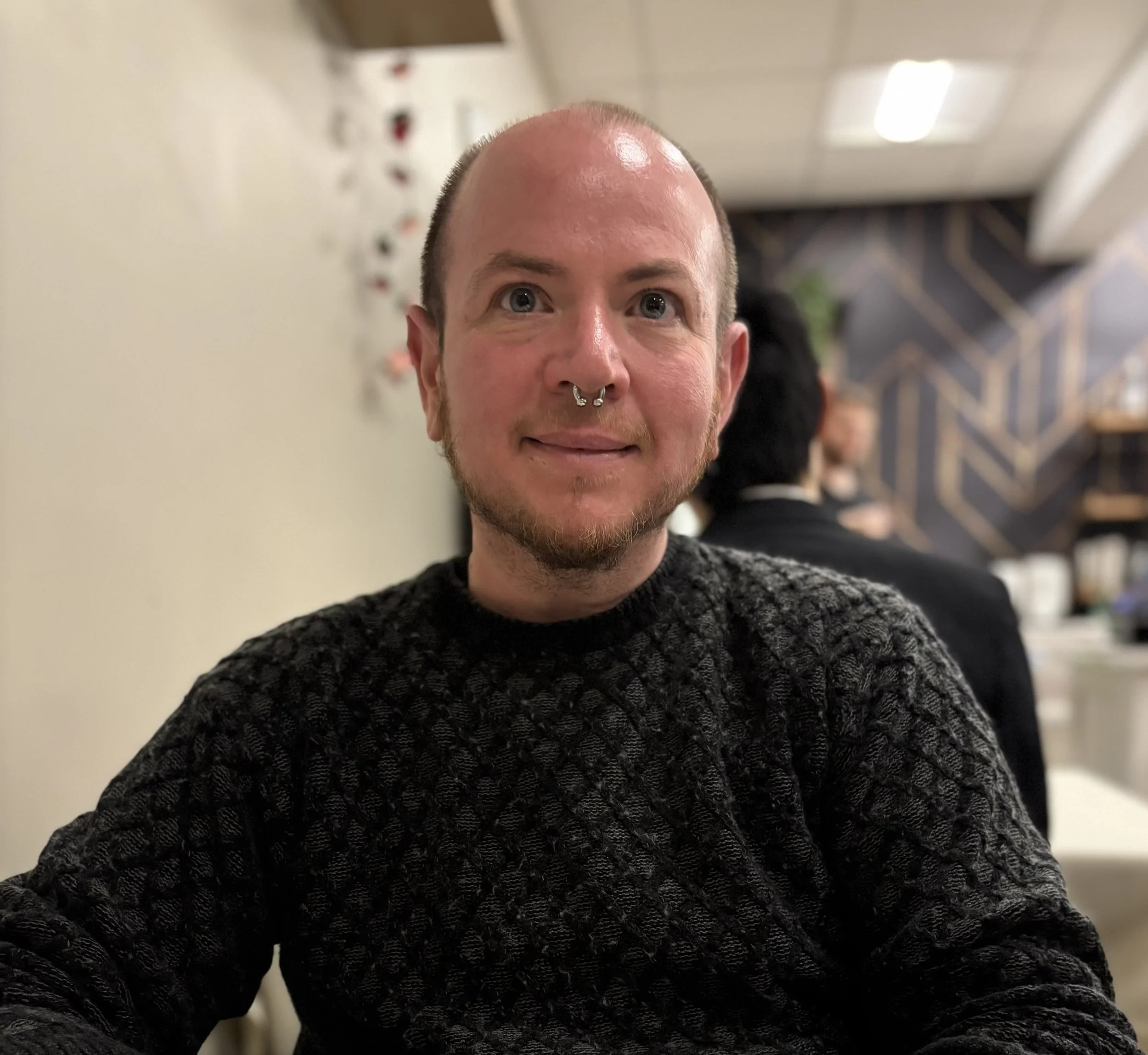
Orion Block
DISABILITY JUSTICE & LIBERATION-ORIENTED THERAPIST
Orion works with disabled, chronically ill, queer, trans, polyamorous, and neurodivergent clients navigating trauma, abandonment, emotional overwhelm, self-harm, identity-based harm, and long-term survival stress. Hir work is grounded in disability justice, self-determination, strengths-based support, and liberation-oriented care. fileciteturn6file5Areas of Focus:
disability justice
chronic pain & chronic illness
queer & trans identity
trauma, abandonment & grief
emotional overwhelm & suicidality
self-trust, agency & self-determination
relationship structures outside dominant norms


Frequently Asked Questions
-
No.
You do not need a formal diagnosis to seek support. Many people come to therapy while navigating ongoing symptoms, medical uncertainty, burnout, fatigue, or inaccessible systems.
-
Yes. Telehealth options are available for many clients.
We understand that disability, chronic illness, transportation, sensory needs, fatigue, or immune safety concerns may make virtual care more accessible.
-
Yes.
Many people living with chronic illness or disability have experienced dismissal, gaslighting, neglect, coercion, or harm within healthcare systems.
Therapy can support processing these experiences and rebuilding trust in your own perceptions and needs.
-
Yes.
Many of our therapists work with autistic, ADHD, and otherwise neurodivergent clients from affirming, non-pathologizing perspectives.
Start Here
If you are looking for disability-informed, chronic illness-informed,
liberation-oriented therapy, we would be glad to connect.