Trauma & PTSD Therapist in Rhode Island

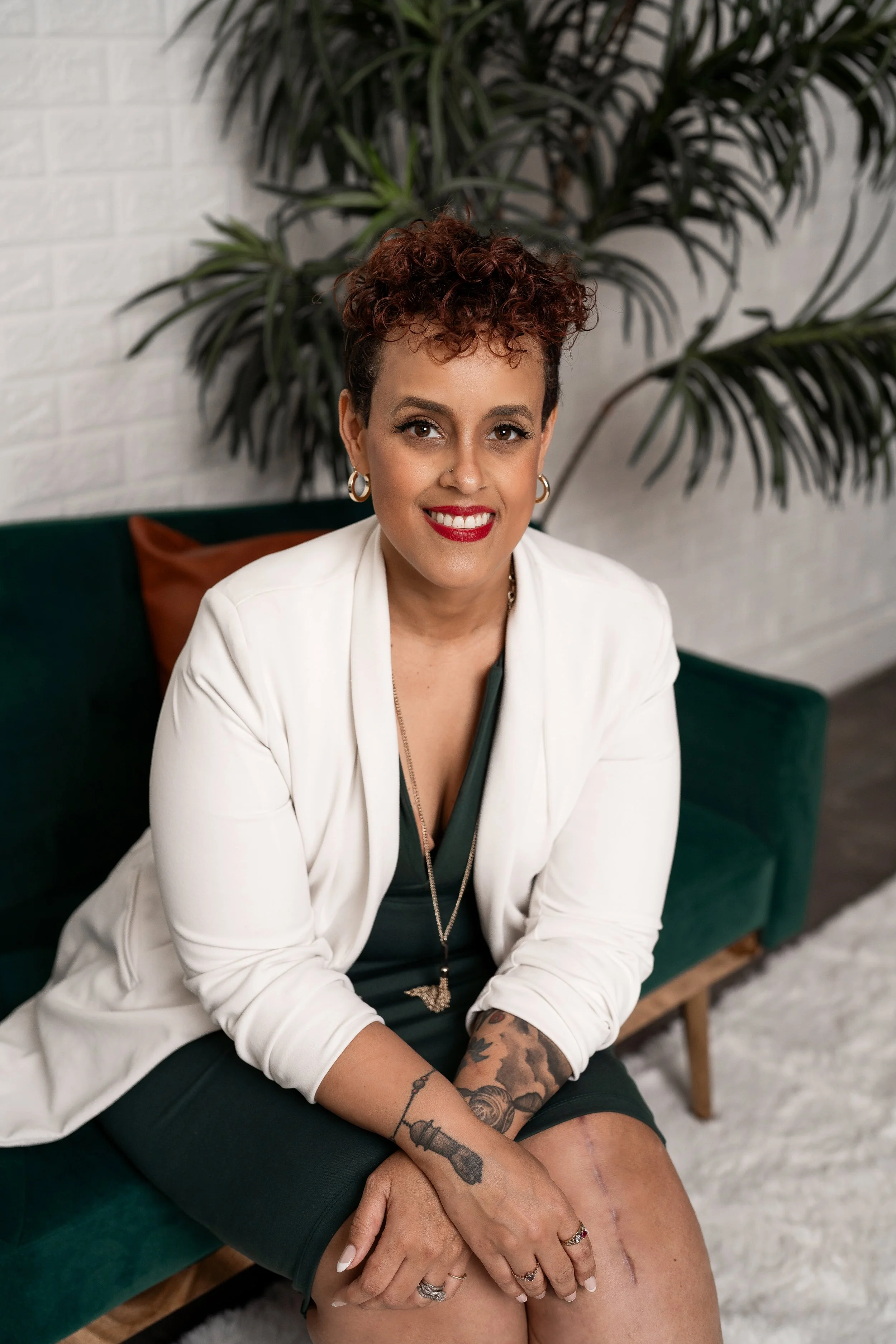

Delilah Milagros Santos-Kane
Licensed Clinical Social Worker · Marine Corps Veteran
Pronouns: She/Her
Licensure: LCSW
Location: Rhode Island
Languages: English
Sliding Scale: Yes
Insurance: Aetna, BCBS, Carelon, Cigna, Harvard, Medicaid, NHP, Optum, Tufts, UHC
Accepting New Clients: Yes
Specialties:
ADHD; Autism Spectrum; Anxiety; Bipolar Patterns; Depression; Chronic Illness; Divorce and Relationship Transitions; Race-Related Stress; Trauma; Immigrant and Refugee Experiences; Interfaith Relationships; LGBTQ+ Issues; Military and Veteran Care; Political Stress; Religious and Spiritual Concerns; Traumatic Brain Injury (TBI); Social Anxiety.
Areas of Focus:
Black Liberation; Decolonization and Decoloniality; Disability Justice; Ecological, Climate, and Animal Justice; Military and Veteran Support; Sex-Positive Care; Sex Worker–Affirming Practice; Spiritual Healing Practices; Spiritual and Religious Trauma and Healing; Indigenous-Informed Talking Circles.
Lived Identity and Experience:
Multicultural Background; Chronic Illness; Latinx Identity; LGBTQ+ Identity; Fat Person; Woman.
Modalities:
Narrative, CBT, Solution-focused, spiritual healing, strength based, motivational interviewing
ABOUT ME

Delilah is a trauma-informed therapist and Marine Corps veteran who brings deep compassion, cultural humility, and intentionality to her work. With a Bachelor’s in Psychology and provisional licensure as a Clinical Social Worker, Delilah specializes in mindfulness-based care, motivational interviewing, and narrative therapy. She has experience supporting individuals navigating religious trauma, autism spectrum conditions, and bipolar. She invites clients to reframe their stories, to name their pain without shame, and to reclaim their power through healing. She honors each client’s unique path and transformation. Whether by co-creating safety plans or navigating trauma narratives, each interaction is a team effort. Outside of session, Delilah is a devoted plant collector, married, and a mother to 3 children. She enjoys movie nights with her family, or sunrise at the beach.
Why I Do This Work
“I do this work because healing is not something we do alone. Many of us were asked to survive systems that never made space for our full humanity. In therapy, my role is to walk alongside you with care, honesty, and respect, helping you make sense of your story and reconnect with your own strength, at a pace that feels right for you.”
— Delilah Milagros Santos-Kane


My Approach in Practice

I start from the belief that the ways people cope are meaningful responses to real experiences. Many of the patterns someone wants to understand or change once helped them survive something difficult. My role is to approach those strategies with respect, curiosity, and care, and to explore together what still supports you and what may no longer feel aligned.
In our work, we pay attention to how stress, trauma, identity, and systems shape your day-to-day life. We move at a pace that honors your nervous system, without pressure to perform healing or explain everything perfectly. Progress does not need to be fast or dramatic to be real.
I draw from narrative, cognitive, strengths-based, and spiritual approaches, adapting each to fit your needs rather than following a single model. Therapy with me is collaborative and steady. My intention is to offer presence, structure, and thoughtful questions as you build clarity, resilience, and trust in yourself over time.
People often reach out when life feels heavy, layered, or difficult to put into words.
Experiences that still shape the present: Some clients are carrying the impact of past trauma, military service, religious or spiritual harm, racism, or long-standing family dynamics. They want space to understand how these experiences continue to influence their emotions, relationships, and sense of safety today.
Ongoing stress, burnout, and emotional fatigue: Others come feeling worn down by anxiety, depression, chronic illness, or prolonged stress. They notice that their usual coping strategies no longer bring relief and are looking for steadier ways to navigate daily life without pushing themselves past their limits.
Intense or confusing emotional responses: Many clients struggle with strong emotions such as anger, overwhelm, shutdown, or numbness. These reactions can feel frightening or hard to explain, and they are seeking a place to explore them with compassion rather than judgment or pressure to suppress them.
Life transitions and identity shifts: Some people arrive during periods of significant change, including shifts in relationships, parenting roles, faith or spirituality, identity exploration, grief, or life after major loss or transition. These moments often unsettle what once felt familiar and call for thoughtful, grounded support.
Affirming, culturally responsive care: Many clients intentionally seek care that honors neurodivergence, disability, race, culture, gender, sexuality, spirituality, and lived experience. They want to be met with respect and understanding, without having to explain or justify who they are.
A steady and human space:
And often, people come simply wanting a place that feels calm, respectful, and real. A space where healing does not require urgency, where growth can unfold at a pace that feels sustainable, and where understanding and skill-building happen together.
Our work focuses on making sense of what you have lived through while supporting you in building clarity, resilience, and self-trust in ways that fit your life and values.
What Clients Often Come to Me For



Hi, I’m Delilah. I’m running this group because a lot of people are carrying religious or spiritual harm that never really had a place to land.
For many folks, the harm wasn’t just about belief. It came from control, shame, fear, rigid rules, or being told who you were allowed to be. Those systems don’t just disappear when you leave them. They stay in the body, in relationships, and in how safe it feels to trust yourself.
This is an 8-week online support group for adults who want space to talk about that impact without being pathologized, debated, or pushed toward any belief or conclusion. You can be religious, unsure, deconstructing, or completely secular.
We’ll move slowly. We’ll focus on grounding, autonomy, and making sense of what you lived through, not fixing you or telling you how to heal. This is a support group, not individual therapy, and there’s no pressure to share more than you want.
If you’re wondering whether this group is right for you, you’re welcome to reach out and ask.