

Aaron Shown
Trauma-Informed Therapy for ADHD, Emotional Regulation, and Identity
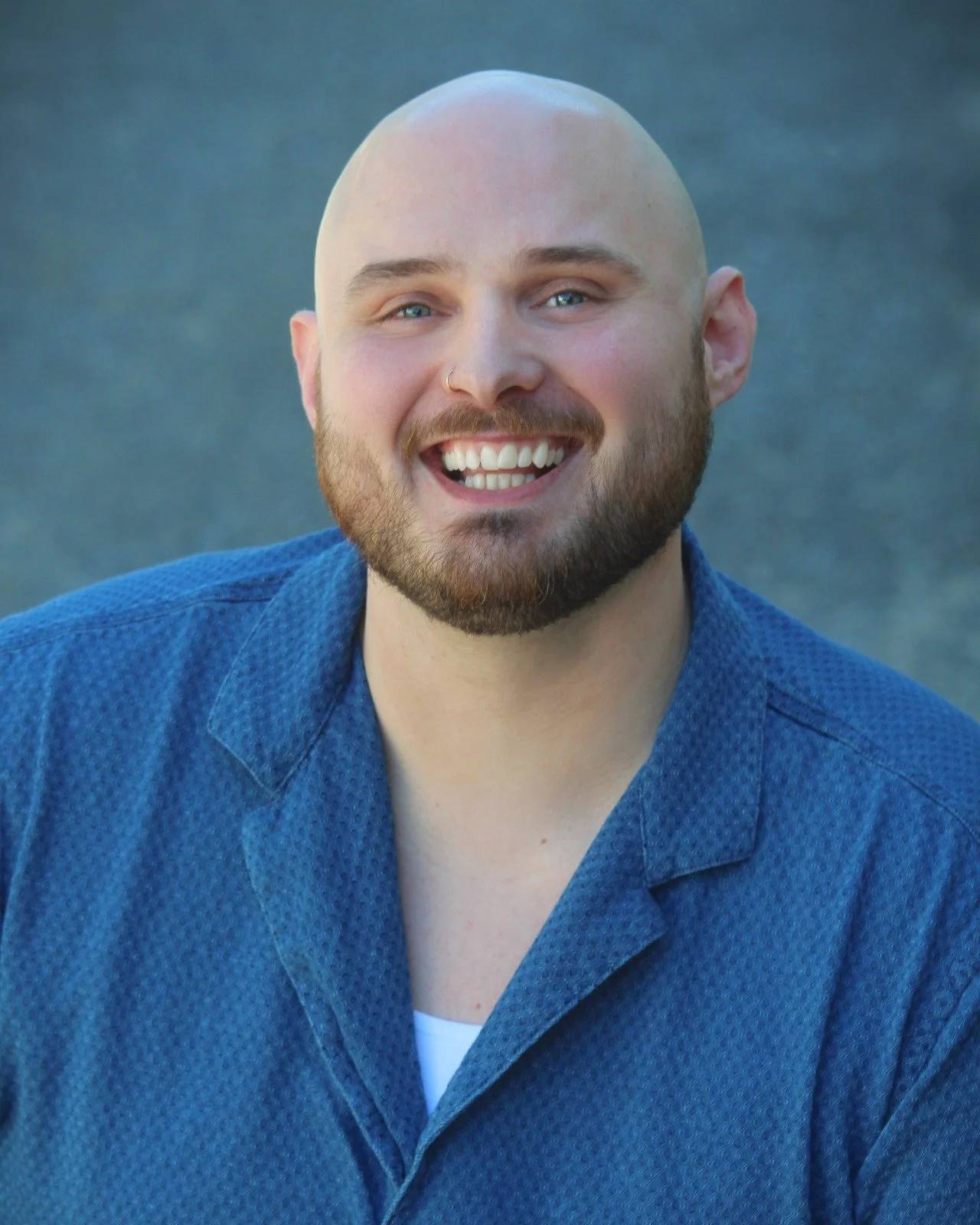

Pronouns: He/They
Licensure: LCSW
Location: Rhode Island, Pennsylvania, and New Jersey
Languages: English
Sliding Scale: Available
Insurance: Aetna, BCBS, Cigna, and Evernorth
Accepting New Clients: Yes
Cultural knowledge: African American, Canadian, Diasporic or Black Culture, Multicultural People Biracial/ Multiracial People, Deaf People, Western European Cultures White American/Canadian, Whiteness
Specialties:
ADHD & Neurodivergent Support • Trauma & Emotional Regulation • Religious Trauma
Gender Identity & LGBTQ+ Care • Chronic Illness & Medical Trauma • Burnout & Life Transitions
Socioeconomic Stress • Poverty • Political and Climate Stress
ABOUT ME

Hi, I'm Aaron ~ I'm really glad you're here!
Maybe you're someone who's always holding space for others but rarely receives that same care in return. Or perhaps you're navigating uncertainty, trying to make sense of who you are or who you're becoming. Whatever brings you here, you deserve a place where you can exhale, be fully yourself, and do the meaningful work of healing.
I'm a queer therapist and social worker who believes in showing up as a real human first. I take a collaborative, tailored approach, partnering with you to build our work together rather than telling you what to do. I'm genuinely on your team.
I offer holistic, affirming care for LGBTQIA+ folks and anyone seeking a supportive space to navigate life's challenges, with experience in religious trauma, grief, loss, chronic illness, and major life transitions. I also support clients working through anxiety, depression, trauma, self-esteem challenges, and more.
I bring experience from crisis counseling with LGBTQIA+ and HIV-affected survivors of violence, as well as work in oncology, palliative care, and suicide prevention. My practice is grounded in a social justice framework, with a deep commitment to anti-racism and ongoing learning and unlearning through supervision, consultation, training, and my own therapy. Yes, therapists go to therapy too!
Using an eclectic approach informed by relational, trauma-informed, and strengths-based practices, we'll explore your lived experiences, honor your inherent strengths, and build practical ways to show up for yourself with more confidence and compassion.
Outside of sessions, I enjoy spending time with my family, including two dogs and two cats, fostering pups through the local shelter, experiencing art and theater, or hunting down Philly's best food spots.
I'm currently under clinical supervision and offer virtual sessions for clients in New Jersey, Pennsylvania, and Rhode Island.
Finding the right therapist matters. Fit is important. If this resonates with you, I'd love to connect and see if I can help support you in your journey, no matter where you are.
Why I Do This Work
“I do this work because many people who come to therapy have spent years feeling misunderstood by systems, institutions, or even the communities that shaped them. Therapy should be a place where you are not asked to shrink or translate yourself. It should be a space where your experiences make sense, your strengths are recognized, and your life can begin to move in a direction that feels more true to you.”
— Aaron Shown


Therapeutic
Approaches
Aaron’s work integrates trauma-informed, neurodivergent-affirming therapy with practical tools that support emotional regulation, identity exploration, and long-term healing.
Core approaches
• Neurodivergent-affirming therapy
• Trauma-informed therapy
• Person-centered therapy
• Humanistic and strengths-based therapy
• Narrative therapy
• Parts work and Internal Family Systems (IFS)
Evidence-based therapies
• Cognitive Behavioral Therapy (CBT)
• Acceptance and Commitment Therapy (ACT)
• Emotionally Focused Therapy (EFT)
• Solution-Focused Brief Therapy (SFBT)
• Motivational Interviewing
Mind–body and regulation practices
• Somatic therapy
• Breathwork and nervous system regulation
• Mindfulness practices
• Mindfulness-Based Stress Reduction (MBSR)
• Mindfulness-Based Cognitive Therapy (MBCT)
Additional therapeutic frameworks
• Compassion-focused therapy
• Integrated attachment theory
• Psychodynamic and psychoanalytic perspectives
• Culturally responsive and affirming therapy
• Cognitive Behavioral Therapy for Insomnia (CBT-I)
Aaron adapts these approaches collaboratively, drawing from different modalities based on each client’s needs rather than applying a fixed method. His work focuses on helping people better understand their patterns, regulate emotional overwhelm, and build sustainable ways of caring for themselves.
My Approach in Practice

For me, therapy starts with slowing down and paying attention to what your mind and body have been carrying for a long time. Stress, trauma, faith experiences, illness, identity, and the systems we’ve lived inside all leave their mark. Many of the patterns people struggle with today once helped them survive.
I work with many clients navigating ADHD, neurodivergence, religious trauma, chronic illness, identity questions, and emotional overwhelm. Often people come in feeling tired from holding everything together for everyone else.
In therapy we take time to understand what shaped those patterns while also building practical ways to care for yourself differently. That might mean learning tools for emotional regulation, working through grief or trauma, or letting go of beliefs that no longer serve you.
I draw from approaches like CBT, mindfulness, relational work, and strengths-based therapy, but the process is always collaborative. You know your life better than anyone. My role is to help you make sense of your experiences and support you in moving forward in a way that feels more steady and true to yourself.
People often reach out when they are:
• Feeling overwhelmed by anxiety, burnout, or emotional swings and wanting practical ways to feel more steady day to day.
• Living with ADHD, neurodivergence, or high sensitivity and trying to better understand how their mind works without feeling “broken.”
• Processing religious trauma, faith deconstruction, or the complicated relationship between spirituality, identity, and belonging.
• Navigating major life shifts such as chronic illness, grief, aging, career changes, or relationship transitions.
• Exploring gender identity, sexuality, or questions about self-worth and where they fit in the world.
• Carrying trauma from past experiences and wanting support that is compassionate, grounded, and respectful of their story.
• Looking for a therapist who sees the full picture of their life including identity, culture, and the systems that shape their experiences.
In our work together we focus on helping you understand your patterns, reconnect with your strengths, and build ways of moving through life that feel more sustainable and more like your true self.
What Clients Often Come to Me For